


Ready to scale?
Start for free and unlock high-performance infrastructure with instant setup.




Enterprise-grade infrastructure for demanding storefronts
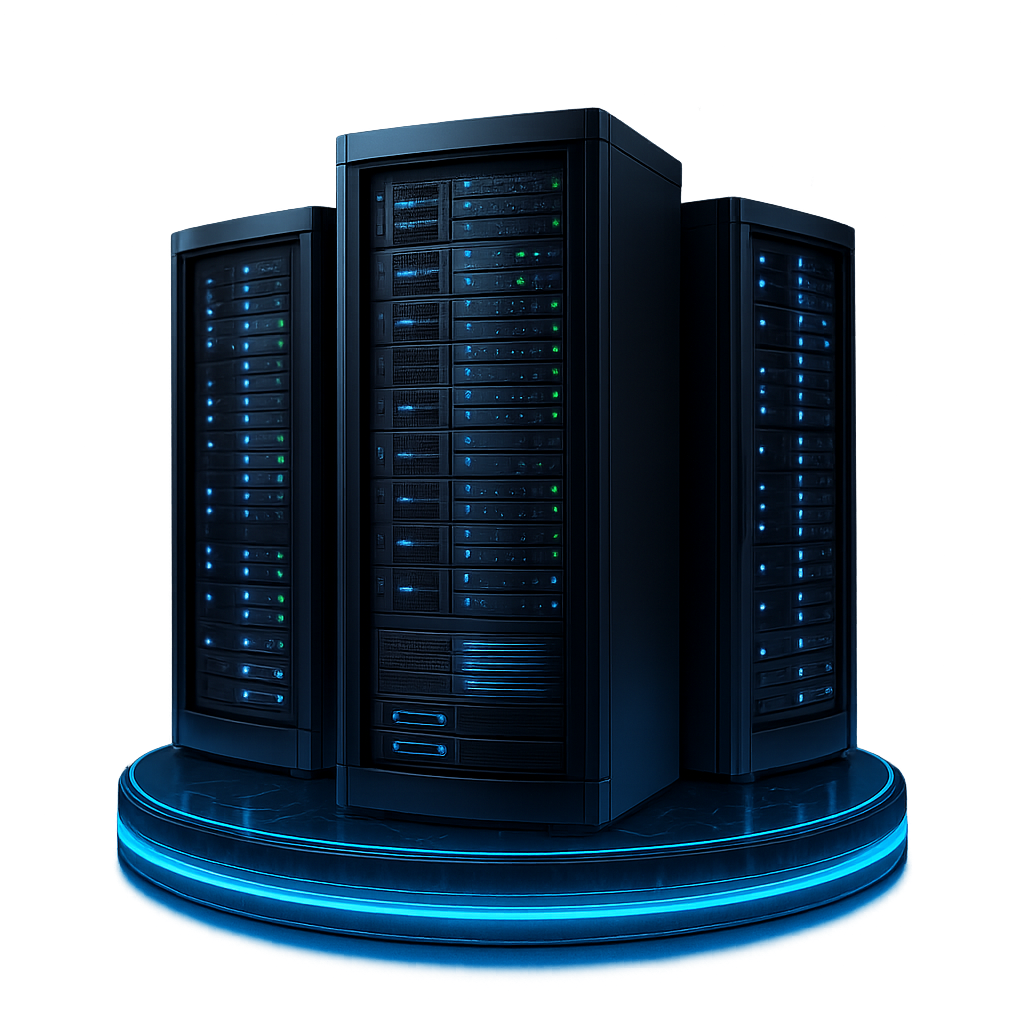
Bare-metal infrastructure tuned for PrestaShop's caching stack and catalog demands
Prices do not include VAT. VAT will be calculated at checkout based on your location.
Each plan delivers fully dedicated hardware, ultra-low latency, and 24/7 uptime to support your critical business operations.





| Plan | CPU | RAM | Storage | Bandwidth | Price | Compare | |
|---|---|---|---|---|---|---|---|
|
|
8c/16t
base 2.4GHz/max 3.2GHz |
up to 768GB DDR4
|
up to 4 x HDD / SSD SATA
|
From 100 Mbit
to 100 Gbps |
From
$
79
/mo
Billed every month. Cancel anytime.
|
||
|
|
10c/20t
base 2.2GHz/max 3.1GHz |
up to 1.5TB DDR4
|
up to 4 x HDD / SSD SATA
|
From 100 Mbit
to 100 Gbps |
From
$
89
/mo
Billed every month. Cancel anytime.
|
||
|
|
12c/24t
base 2.2GHz/max 2.9GHz |
up to 1.5TB DDR4
|
up to 4 x HDD / SSD SATA
|
From 100 Mbit
to 20 Gbps |
From
$
89
/mo
Billed every month. Cancel anytime.
|
||
|
|
6c/12t
base 4.0GHz/max 4.9GHz |
up to 128GB DDR4
|
up to 2 x SSD SATA
|
From 100 Mbit
to 100 Gbps |
From
$
109
/mo
Billed every month. Cancel anytime.
|
||
|
|
6c/12t
base 4.0GHz/max 4.9GHz |
up to 128GB DDR4
|
up to 2 x SSD SATA
|
From 100 Mbit
to 100 Gbps |
From
$
109
/mo
Billed every month. Cancel anytime.
|
||
|
|
6c/12t
base 4.0GHz/max 4.9GHz |
up to 128GB DDR4
|
up to 2 x SSD SATA
|
From 100 Mbit
to 100 Gbps |
From
$
109
/mo
Billed every month. Cancel anytime.
|
||
|
|
6c/12t
base 4.0GHz/max 4.9GHz |
up to 128GB DDR4
|
up to 2 x SSD SATA
|
From 100 Mbit
to 100 Gbps |
From
$
109
/mo
Billed every month. Cancel anytime.
|
||
|
|
6c/12t
base 4.0GHz/max 4.9GHz |
up to 128GB DDR4
|
up to 2 x SSD SATA
|
From 100 Mbit
to 20 Gbps |
From
$
109
/mo
Billed every month. Cancel anytime.
|
||
|
|
16c/32t
base 2.4GHz/max 3.2GHz |
up to 768GB DDR4
|
up to 4 x HDD / SSD SATA
|
From 100 Mbit
to 100 Gbps |
From
$
129
/mo
Billed every month. Cancel anytime.
|
||
|
|
16c/32t
base 2.4GHz/max 3.2GHz |
up to 768GB DDR4
|
up to 4 x HDD / SSD SATA
|
From 100 Mbit
to 100 Gbps |
From
$
129
/mo
Billed every month. Cancel anytime.
|
||
|
|
16c/32t
base 2.4GHz/max 3.2GHz |
up to 768GB DDR4
|
up to 4 x HDD / SSD SATA
|
From 100 Mbit
to 100 Gbps |
From
$
129
/mo
Billed every month. Cancel anytime.
|
||
|
|
16c/32t
base 2.4GHz/max 3.2GHz |
up to 768GB DDR4
|
up to 4 x HDD / SSD SATA
|
From 100 Mbit
to 100 Gbps |
From
$
129
/mo
Billed every month. Cancel anytime.
|
||
|
|
16c/32t
base 2.4GHz/max 3.2GHz |
up to 768GB DDR4
|
up to 4 x HDD / SSD SATA
|
From 100 Mbit
to 20 Gbps |
From
$
129
/mo
Billed every month. Cancel anytime.
|
||
|
|
16c/32t
base 2.6GHz/max 3.6GHz |
up to 1.5TB DDR4
|
up to 12 x HDD / SSD SATA
|
From 100 Mbit
to 100 Gbps |
From
$
139
/mo
Billed every month. Cancel anytime.
|
||
|
|
16c/32t
base 2.6GHz/max 3.6GHz |
up to 1.5TB DDR4
|
up to 8 x SSD SATA
|
From 100 Mbit
to 20 Gbps |
From
$
139
/mo
Billed every month. Cancel anytime.
|
||
|
|
16c/32t - 2.6Ghz/3.6Ghz
|
up to 1.5 TB DDR4
|
up to 8 x SSD SATA
|
From 100 Mbit
to 100 Gbps |
From
$
139
/mo
Billed every month. Cancel anytime.
|
||
|
|
16c/32t
base 2.6GHz/max 3.6GHz |
up to 1.5TB DDR4
|
up to 8 x SSD SATA
|
From 100 Mbit
to 100 Gbps |
From
$
139
/mo
Billed every month. Cancel anytime.
|
||
|
|
16c/32t
base 2.6GHz/max 3.6GHz |
up to 1.5TB DDR4
|
up to 8 x SSD SATA
|
From 100 Mbit
to 100 Gbps |
From
$
139
/mo
Billed every month. Cancel anytime.
|
||
|
|
6c/12t
base 4.0GHz/max 4.9GHz |
up to 128GB DDR4
|
up to 2 x SSD SATA
|
From 100 Mbit
to 10 Gbps |
From
$
145
/mo
Billed every month. Cancel anytime.
|
||
|
|
24c/48t
base 2.2GHz/max 3.2GHz |
up to 512GB DDR4
|
up to 6 x SSD SATA / NVMe
|
From 100 Mbit
to 20 Gbps |
From
$
149
/mo
Billed every month. Cancel anytime.
|
||
|
|
24c/48t
base 2.2GHz/max 3.2GHz |
up to 1TB DDR4
|
up to 6 x SSD SATA / NVMe
|
From 100 Mbit
to 100 Gbps |
From
$
159
/mo
Billed every month. Cancel anytime.
|
||
|
|
24c/48t
base 2.2GHz/max 3.2GHz |
up to 1TB DDR4
|
up to 6 x SSD SATA / NVMe
|
From 100 Mbit
to 100 Gbps |
From
$
159
/mo
Billed every month. Cancel anytime.
|
||
|
|
24c/48t
base 2.2GHz/max 3.2GHz |
up to 1TB DDR4
|
up to 6 x SSD SATA / NVMe
|
From 100 Mbit
to 100 Gbps |
From
$
159
/mo
Billed every month. Cancel anytime.
|
||
|
|
16c/32t
base 2.4GHz/max 3.2GHz |
up to 768GB DDR4
|
up to 4 x HDD / SSD SATA
|
From 100 Mbit
to 100 Gbps |
From
$
159
/mo
Billed every month. Cancel anytime.
|
||
|
|
22c/44t
base 2.1GHz/max 3.7GHz |
up to 768GB DDR4
|
up to 8 x SSD SATA / NVMe
|
From 100 Mbit
to 100 Gbps |
From
$
169
/mo
Billed every month. Cancel anytime.
|
||
|
|
6c/12t
base 4.0GHz/max 4.9GHz |
up to 128GB DDR4
|
up to 2 x SSD SATA
|
From 100 Mbit
to 100 Gbps |
From
$
169
/mo
Billed every month. Cancel anytime.
|
||
|
|
24c/48t
base 2.2GHz/max 3.2GHz |
up to 1TB DDR4
|
up to 6 x SSD SATA / NVMe
|
From 100 Mbit
to 100 Gbps |
From
$
179
/mo
Billed every month. Cancel anytime.
|
||
|
|
24c/48t
base 2.2GHz/max 3.2GHz |
up to 512GB DDR4
|
up to 6 x SSD SATA / NVMe
|
From 100 Mbit
to 20 Gbps |
From
$
179
/mo
Billed every month. Cancel anytime.
|
||
|
|
28c/56t
base 2.4GHz/max 3.3GHz |
up to 1.5TB DDR4
|
up to 8 x SSD SATA / NVMe
|
From 100 Mbit
to 100 Gbps |
From
$
189
/mo
Billed every month. Cancel anytime.
|
||
|
|
28c/56t
base 2.4GHz/max 3.3GHz |
up to 1.5TB DDR4
|
up to 8 x SSD SATA / NVMe
|
From 100 Mbit
to 100 Gbps |
From
$
189
/mo
Billed every month. Cancel anytime.
|
||
|
|
28c/56t
base 2.4GHz/max 3.3GHz |
up to 1.5TB DDR4
|
up to 8 x SSD SATA / NVMe
|
From 100 Mbit
to 100 Gbps |
From
$
189
/mo
Billed every month. Cancel anytime.
|
||
|
|
28c/56t
base 2.4GHz/max 3.3GHz |
up to 1.5TB DDR4
|
up to 8 x SSD SATA / NVMe
|
From 100 Mbit
to 100 Gbps |
From
$
189
/mo
Billed every month. Cancel anytime.
|
||
|
|
24c/48t
base 2.2GHz/max 3.2GHz |
up to 1TB DDR4
|
up to 6 x SSD SATA / NVMe
|
From 100 Mbit
to 100 Gbps |
From
$
199
/mo
Billed every month. Cancel anytime.
|
||
|
|
28c/56t
base 2.4GHz/max 3.3GHz |
up to 1.5TB DDR4
|
up to 8 x SSD SATA / NVMe
|
From 100 Mbit
to 20 Gbps |
From
$
199
/mo
Billed every month. Cancel anytime.
|
||
|
|
28c/56t
base 2.4GHz/max 3.3GHz |
up to 1.5TB DDR4
|
up to 8 x SSD SATA / NVMe
|
From 100 Mbit
to 100 Gbps |
From
$
219
/mo
Billed every month. Cancel anytime.
|
||
|
|
32c/64t
base 2.6GHz/max 3.6GHz |
up to 1.5TB DDR4
|
up to 8 x SSD SATA
|
From 100 Mbit
to 20 Gbps |
From
$
239
/mo
Billed every month. Cancel anytime.
|
||
|
|
32c/64t
base 2.6GHz/max 3.6GHz |
up to 1.5TB DDR4
|
up to 8 x SSD SATA
|
From 100 Mbit
to 100 Gbps |
From
$
250
/mo
Billed every month. Cancel anytime.
|
||
|
|
32c/64t
base 2.6GHz/max 3.6GHz |
up to 1.5TB DDR4
|
up to 8 x SSD SATA
|
From 100 Mbit
to 100 Gbps |
From
$
250
/mo
Billed every month. Cancel anytime.
|
||
|
|
32c/64t
base 2.6GHz/max 3.6GHz |
up to 1.5TB DDR4
|
up to 8 x SSD SATA
|
From 100 Mbit
to 100 Gbps |
From
$
250
/mo
Billed every month. Cancel anytime.
|
||
|
|
32c/64t
base 2.6GHz/max 3.6GHz |
up to 1.5TB DDR4
|
up to 8 x SSD SATA
|
From 100 Mbit
to 100 Gbps |
From
$
250
/mo
Billed every month. Cancel anytime.
|
||
|
|
32c/64t
base 2.6GHz/max 3.6GHz |
up to 1.5TB DDR4
|
up to 8 x SSD SATA
|
From 100 Mbit
to 100 Gbps |
From
$
259
/mo
Billed every month. Cancel anytime.
|
||
|
|
32c/64t
base 2.1GHz/max 3.0GHz |
up to 768GB DDR4
|
up to 16 x HDD / SSD SATA + 2 x SSD SATA
|
From 100 Mbit
to 20 Gbps |
From
$
279
/mo
Billed every month. Cancel anytime.
|
||
|
|
32c/64t
base 2.1GHz/max 3.0GHz |
up to 768GB DDR4
|
up to 16 x HDD / SSD SATA + 2 x SSD SATA
|
From 100 Mbit
to 100 Gbps |
From
$
279
/mo
Billed every month. Cancel anytime.
|
||
|
|
52c/104t
base 2.1GHz/max 4.0GHz |
up to 1TB DDR4
|
up to 8 x SSD SATA / NVMe
|
From 100 Mbit
to 100 Gbps |
From
$
290
/mo
Billed every month. Cancel anytime.
|
||
|
|
52c/104t
base 2.1GHz/max 4.0GHz |
up to 1TB DDR4
|
up to 8 x SSD SATA / NVMe
|
From 100 Mbit
to 100 Gbps |
From
$
290
/mo
Billed every month. Cancel anytime.
|
||
|
|
52c/104t
base 2.1GHz/max 4.0GHz |
up to 1TB DDR4
|
up to 8 x SSD SATA / NVMe
|
From 100 Mbit
to 100 Gbps |
From
$
290
/mo
Billed every month. Cancel anytime.
|
||
|
|
32c/64t
base 2.1GHz/max 3.0GHz |
up to 768GB DDR4
|
up to 16 x HDD / SSD SATA + 2 x SSD SATA
|
From 100 Mbit
to 100 Gbps |
From
$
309
/mo
Billed every month. Cancel anytime.
|
||
|
|
18c/36t
base 3.0GHz/max 3.7GHz |
up to 768GB DDR4
|
up to 12 x HDD / SSD SATA
|
From 100 Mbit
to 2 x 10 Gbps |
From
$
320
/mo
Billed every month. Cancel anytime.
|
||
|
|
32c/64t
base 2.2GHz/max 3.35GHz |
up to 1TB DDR4
|
up to 8 x SSD SATA / NVMe
|
From 100 Mbit
to 100 Gbps |
From
$
359
/mo
Billed every month. Cancel anytime.
|
||
|
|
32c/64t
base 2.2GHz/max 3.35GHz |
up to 1TB DDR4
|
up to 8 x SSD SATA / NVMe
|
From 100 Mbit
to 100 Gbps |
From
$
359
/mo
Billed every month. Cancel anytime.
|
||
|
|
32c/64t
base 2.2GHz/max 3.35GHz |
up to 1TB DDR4
|
up to 8 x SSD SATA / NVMe
|
From 100 Mbit
to 100 Gbps |
From
$
359
/mo
Billed every month. Cancel anytime.
|
||
|
|
32c/64t
base 2.2GHz/max 3.35GHz |
up to 1TB DDR4
|
up to 8 x SSD SATA / NVMe
|
From 100 Mbit
to 100 Gbps |
From
$
359
/mo
Billed every month. Cancel anytime.
|
||
|
|
32c/64t
base 2.2GHz/max 3.35GHz |
up to 1TB DDR4
|
up to 8 x SSD SATA / NVMe
|
From 100 Mbit
to 20 Gbps |
From
$
359
/mo
Billed every month. Cancel anytime.
|
||
|
|
36c/72t
base 3.0GHz/max 3.7GHz |
up to 1.5TB DDR4
|
up to 8 x SSD SATA / NVMe
|
From 100 Mbit
to 100 Gbps |
From
$
369
/mo
Billed every month. Cancel anytime.
|
||
|
|
36c/72t
base 3.0GHz/max 3.7GHz |
up to 1.5TB DDR4
|
up to 8 x SSD SATA / NVMe
|
From 100 Mbit
to 100 Gbps |
From
$
369
/mo
Billed every month. Cancel anytime.
|
||
|
|
36c/72t
base 3.0GHz/max 3.7GHz |
up to 1.5TB DDR4
|
up to 8 x SSD SATA / NVMe
|
From 100 Mbit
to 100 Gbps |
From
$
369
/mo
Billed every month. Cancel anytime.
|
||
|
|
36c/72t
base 3.0GHz/max 3.7GHz |
up to 1.5TB DDR4
|
up to 8 x SSD SATA / NVMe
|
From 100 Mbit
to 100 Gbps |
From
$
369
/mo
Billed every month. Cancel anytime.
|
||
|
|
36c/72t
base 3.0GHz/max 3.7GHz |
up to 1.5TB DDR4
|
up to 8 x SSD SATA / NVMe
|
From 100 Mbit
to 20 Gbps |
From
$
369
/mo
Billed every month. Cancel anytime.
|
||
|
|
64c/128t
base 2.0GHz/max 3.4GHz |
up to 1TB DDR4
|
up to 8 x SSD SATA / NVMe
|
From 100 Mbit
to 100 Gbps |
From
$
390
/mo
Billed every month. Cancel anytime.
|
||
|
|
64c/128t
base 2.0GHz/max 3.4GHz |
up to 1TB DDR4
|
up to 8 x SSD SATA / NVMe
|
From 100 Mbit
to 100 Gbps |
From
$
405
/mo
Billed every month. Cancel anytime.
|
||
|
|
32c/64t
base 2.8GHz/max 3.7GHz |
up to 1TB DDR4
|
up to 8 x SSD SATA / NVMe
|
From 100 Mbit
to 100 Gbps |
From
$
399
/mo
Billed every month. Cancel anytime.
|
||
|
|
32c/64t
base 2.8GHz/max 3.7GHz |
up to 1TB DDR4
|
up to 8 x SSD SATA / NVMe
|
From 100 Mbit
to 100 Gbps |
From
$
399
/mo
Billed every month. Cancel anytime.
|
||
|
|
32c/64t
base 2.8GHz/max 3.7GHz |
up to 1TB DDR4
|
up to 8 x SSD SATA / NVMe
|
From 100 Mbit
to 100 Gbps |
From
$
399
/mo
Billed every month. Cancel anytime.
|
||
|
|
32c/64t
base 2.8GHz/max 3.7GHz |
up to 1TB DDR4
|
up to 8 x SSD SATA / NVMe
|
From 100 Mbit
to 20 Gbps |
From
$
399
/mo
Billed every month. Cancel anytime.
|
||
|
|
32c/64t
base 2.8GHz/max 3.7GHz |
up to 1TB DDR4
|
up to 8 x SSD SATA / NVMe
|
From 100 Mbit
to 100 Gbps |
From
$
409
/mo
Billed every month. Cancel anytime.
|
||
|
|
32c/64t
base 2.2GHz/max 3.35GHz |
up to 1TB DDR4
|
up to 8 x SSD SATA / NVMe
|
From 100 Mbit
to 100 Gbps |
From
$
409
/mo
Billed every month. Cancel anytime.
|
||
|
|
64c/128t
base 2.0GHz/max 3.4GHz |
up to 1TB DDR4
|
up to 8 x SSD SATA / NVMe
|
From 100 Mbit
to 100 Gbps |
From
$
460
/mo
Billed every month. Cancel anytime.
|
||
|
|
64c/128t
base 2.0GHz/max 3.4GHz |
up to 1TB DDR4
|
up to 8 x SSD SATA / NVMe
|
From 100 Mbit
to 100 Gbps |
From
$
469
/mo
Billed every month. Cancel anytime.
|
||
|
|
64c/128t
base 2.0GHz/max 3.4GHz |
up to 1TB DDR4
|
up to 8 x SSD SATA / NVMe
|
From 100 Mbit
to 100 Gbps |
From
$
469
/mo
Billed every month. Cancel anytime.
|
||
|
|
64c/128t
base 2.0GHz/max 3.4GHz |
up to 1TB DDR4
|
up to 8 x SSD SATA / NVMe
|
From 100 Mbit
to 20 Gbps |
From
$
469
/mo
Billed every month. Cancel anytime.
|
||
|
|
48c/96t
base 3.0GHz/max 4.0GHz |
up to 1TB DDR4
|
up to 8 x SSD SATA / NVMe
|
From 100 Mbit
to 100 Gbps |
From
$
489
/mo
Billed every month. Cancel anytime.
|
||
|
|
48c/96t
base 3.0GHz/max 4.0GHz |
up to 1TB DDR4
|
up to 8 x SSD SATA / NVMe
|
From 100 Mbit
to 100 Gbps |
From
$
489
/mo
Billed every month. Cancel anytime.
|
||
|
|
48c/96t
base 3.0GHz/max 4.0GHz |
up to 1TB DDR4
|
up to 8 x SSD SATA / NVMe
|
From 100 Mbit
to 100 Gbps |
From
$
489
/mo
Billed every month. Cancel anytime.
|
||
|
|
48c/96t
base 3.0GHz/max 4.0GHz |
up to 1TB DDR4
|
up to 8 x SSD SATA / NVMe
|
From 100 Mbit
to 100 Gbps |
From
$
489
/mo
Billed every month. Cancel anytime.
|
||
|
|
48c/96t
base 3.0GHz/max 4.0GHz |
up to 1TB DDR4
|
up to 8 x SSD SATA / NVMe
|
From 100 Mbit
to 20 Gbps |
From
$
489
/mo
Billed every month. Cancel anytime.
|
||
|
|
20c/40t
base 2.5GHz/max 3.4GHz |
up to 1TB DDR4
|
up to 8 x SSD SATA
|
From 100 Mbit
to 2 x 10 Gbps |
From
$
459
/mo
Billed every month. Cancel anytime.
|
||
|
|
32c/64t
base 2.8GHz/max 3.7GHz |
up to 1TB DDR4
|
up to 8 x SSD SATA / NVMe
|
From 100 Mbit
to 100 Gbps |
From
$
469
/mo
Billed every month. Cancel anytime.
|
||
|
|
64c/128t
base 2.0GHz/max 3.4GHz |
up to 1TB DDR4
|
up to 8 x SSD SATA / NVMe
|
From 100 Mbit
to 100 Gbps |
From
$
499
/mo
Billed every month. Cancel anytime.
|
||
|
|
32c/64t
base 2.1GHz/max 3.0GHz |
up to 768GB DDR4
|
up to 16 x HDD / SSD SATA + 2 x SSD SATA
|
From 100 Mbit
to 100 Gbps |
From
$
629
/mo
Billed every month. Cancel anytime.
|
||
|
|
32c/64t
base 2.1GHz/max 3.0GHz |
up to 768GB DDR4
|
up to 16 x HDD / SSD SATA + 2 x SSD SATA
|
From 100 Mbit
to 100 Gbps |
From
$
629
/mo
Billed every month. Cancel anytime.
|
||
|
|
32c/64t
base 2.1GHz/max 3.0GHz |
up to 768GB DDR4
|
up to 16 x HDD / SSD SATA + 2 x SSD SATA
|
From 100 Mbit
to 100 Gbps |
From
$
629
/mo
Billed every month. Cancel anytime.
|
||
|
|
32c/64t
base 2.1GHz/max 3.0GHz |
up to 768GB DDR4
|
up to 16 x HDD / SSD SATA + 2 x SSD SATA
|
From 100 Mbit
to 20 Gbps |
From
$
629
/mo
Billed every month. Cancel anytime.
|
||
|
|
64c/128t
base 2.0GHz/max 3.4GHz |
up to 1TB DDR4
|
up to 8 x SSD SATA / NVMe
|
From 100 Mbit
to 100 Gbps |
From
$
702
/mo
Billed every month. Cancel anytime.
|
||
|
|
128c/256t
base 2.3GHz/max 3.1GHz |
up to 3TB DDR5
|
up to 8 x SSD SATA / NVMe
|
From 100 Mbit
to 100 Gbps |
From
$
799
/mo
Billed every month. Cancel anytime.
|
||
|
|
128c/256t
base 2.3GHz/max 3.1GHz |
up to 3TB DDR5
|
up to 8 x SSD SATA / NVMe
|
From 100 Mbit
to 100 Gbps |
From
$
799
/mo
Billed every month. Cancel anytime.
|
||
|
|
128c/256t
base 2.3GHz/max 3.1GHz |
up to 3TB DDR5
|
up to 8 x SSD SATA / NVMe
|
From 100 Mbit
to 100 Gbps |
From
$
799
/mo
Billed every month. Cancel anytime.
|
||
|
|
128c/256t
base 2.3GHz/max 3.1GHz |
up to 3TB DDR4
|
up to 8 x SSD SATA / NVMe
|
From 100 Mbit
to 100 Gbps |
From
$
819
/mo
Billed every month. Cancel anytime.
|
||
|
|
128c/256t
base 2.3GHz/max 3.1GHz |
up to 3TB DDR4
|
up to 8 x SSD SATA / NVMe
|
From 100 Mbit
to 100 Gbps |
From
$
819
/mo
Billed every month. Cancel anytime.
|
||
|
|
128c/256t
base 2.3GHz/max 3.1GHz |
up to 3TB DDR4
|
up to 8 x SSD SATA / NVMe
|
From 100 Mbit
to 100 Gbps |
From
$
819
/mo
Billed every month. Cancel anytime.
|
||
|
|
128c/256t
base 2.3GHz/max 3.1GHz |
up to 3TB DDR5
|
up to 8 x SSD SATA / NVMe
|
From 100 Mbit
to 100 Gbps |
From
$
849
/mo
Billed every month. Cancel anytime.
|
||
|
|
128c/256t
base 2.3GHz/max 3.1GHz |
up to 3TB DDR5
|
up to 8 x SSD SATA / NVMe
|
From 100 Mbit
to 20 Gbps |
From
$
849
/mo
Billed every month. Cancel anytime.
|
||
|
|
128c/256t
base 2.3GHz/max 3.1GHz |
up to 3TB DDR4
|
up to 8 x SSD SATA / NVMe
|
From 100 Mbit
to 100 Gbps |
From
$
899
/mo
Billed every month. Cancel anytime.
|
||
|
|
128c/256t - 2.6Ghz/3.3Ghz
|
up to 3TB DDR4
|
up to 8 x SSD SATA / NVMe
|
From 100 Mbit
to 20 Gbps |
From
$
899
/mo
Billed every month. Cancel anytime.
|
||
|
|
128c/256t
base 2.3GHz/max 3.1GHz |
up to 3TB DDR5
|
up to 8 x SSD SATA / NVMe
|
From 100 Mbit
to 100 Gbps |
From
$
879
/mo
Billed every month. Cancel anytime.
|
||
|
|
128c/256t
base 2.3GHz/max 3.1GHz |
up to 3TB DDR4
|
up to 8 x SSD SATA / NVMe
|
From 100 Mbit
to 100 Gbps |
From
$
919
/mo
Billed every month. Cancel anytime.
|
Prices do not include VAT. VAT will be calculated at checkout based on your location.







Experience unmatched reliability, speed, and power built for the most demanding workloads

Our servers can be scalable on demand. RAM, Storage, or port speed, everything can be changed according to your requirements.

We offer servers with different storage options such as HDD, SSD, or NVMe, including various RAID arrays on demand.
Our servers are powered by Zen3 EPYC CPUs with exceptional single-core performance.

Our servers are connected to 1 or 10 Gbit ports by default to ensure that your server can cope with any tasks you throw at them.
PrestaShop occupies a distinct position in the ecommerce platform landscape. It is considerably heavier than OpenCart by design — its Symfony-based architecture, multi-layer hook system, and built-in module framework generate between 100 and 300 database queries per page request under normal conditions. It is not as resource-intensive as a full Magento installation, but it shares Magento's dependency on aggressive server-side caching to remain performant at scale. Without Redis or Memcached properly configured, PrestaShop's database layer absorbs query load that should never reach MySQL in the first place.
This architecture has a direct implication for hosting: PrestaShop does not perform well on infrastructure that cannot support its caching stack, cannot provide consistent I/O throughput for large catalogs, and cannot be tuned at the system level. Shared hosting satisfies none of these requirements. A dedicated server satisfies all of them.
Caching Architecture: Redis and Memcached
PrestaShop is designed to offload repeated database queries to an in-memory cache layer. Enabling Redis or Memcached as the cache backend stores compiled module output, category trees, pricing rules, and customer group data in RAM — eliminating redundant MySQL round-trips on every request. The performance difference between a PrestaShop installation with and without a properly configured cache layer is not marginal; it is the difference between a store that handles concurrent traffic and one that degrades under moderate load.
On a dedicated server, you control the memory allocation for Redis or Memcached precisely. There is no competition with other tenants for RAM, and the cache daemon runs without eviction pressure from unrelated processes. For high-traffic stores, this means the cache layer remains warm under sustained load — not just during off-peak hours.
Disk I/O and NVMe for Large Catalogs
PrestaShop reads hundreds of PHP files per request due to its Symfony foundation and autoloader architecture. On HDD storage, this file-reading overhead alone adds measurable latency to every page load. On NVMe SSD, random read times drop from milliseconds to microseconds — a difference that compounds across every module load, template inclusion, and OPcache miss in the request lifecycle.
For catalogs of significant size, MySQL query performance against product, combination, attribute, and stock tables is equally dependent on fast storage. The InnoDB buffer pool can keep frequently accessed data in RAM, but on servers with limited memory, cache misses fall through to disk. NVMe ensures those cache misses are resolved quickly rather than becoming visible bottlenecks.
PHP-FPM Worker Configuration
Each PHP-FPM worker process running PrestaShop consumes between 30 and 80 MB of RAM, depending on the number of active modules and the complexity of the page being served. A production store handling meaningful concurrent traffic requires enough worker processes to avoid request queuing, and enough RAM to sustain them. On a dedicated server, PHP-FPM pool configuration — worker count, max children, memory limits — is fully under your control and not subject to the constraints a shared environment imposes.
OPcache, configured with adequate memory and appropriate revalidation settings, eliminates bytecode recompilation across worker processes and is essential for PrestaShop's file-heavy request lifecycle.
Horizontal Scaling Readiness
PrestaShop scales horizontally more cleanly than many comparable platforms. A dedicated server provides the foundation for this: a baseline environment with root access, full network configuration, and the ability to add a load balancer, separate database node, or dedicated Redis instance as traffic demands grow. BlueServers operates across multiple locations in Europe and North America, allowing you to deploy primary and secondary infrastructure in geographically distributed data centers from a single provider relationship.
All dedicated servers include a dedicated IP address, root access for complete stack configuration, and a 99.9% uptime commitment backed by redundant infrastructure.
5/5 from 26 Users

Choosing a configuration that matched our workload was straightforward. When needs changed, scaling to more cores and memory was simple and did not require reworking infrastructure.

Stable storage performance is critical for our databases. Disk input and output remain predictable under load, keeping queries fast and backups running smoothly.
The service feels designed for real production workloads. Hardware quality, network stability, and consistent performance removed hosting from our list of daily concerns.

When our fintech payments platform has a hiccup, we cannot wait. BlueServers support reads the full thread, asks smart diagnostics questions, and fixes issues fast before transactions are affected.

In our ecommerce shop, flash sales used to be stressful. With BlueServers, checkout stays responsive, inventory sync runs smoothly, and we avoid failed orders when traffic and transactions spike.
Our dashboards stopped showing unexplained spikes. Metrics remain steady, alerts are rare, and daily operations feel quieter across both normal and peak usage.

Traffic spikes used to change how the system behaved. With dedicated capacity, response times remain consistent in the evenings and planning feels much more reliable.
Running a growing SaaS app, we used to chase random performance drops every week, jumping between logs, metrics, and alerts without clear answers. After switching to BlueServers, behavior became predictable and infrastructure stopped being a question mark.

As our database grew, we added more memory and storage. The process was smooth and did not interrupt production. Capacity planning feels simpler when upgrades are handled cleanly.


Start for free and unlock high-performance infrastructure with instant setup.