


Ready to scale?
Start for free and unlock high-performance infrastructure with instant setup.




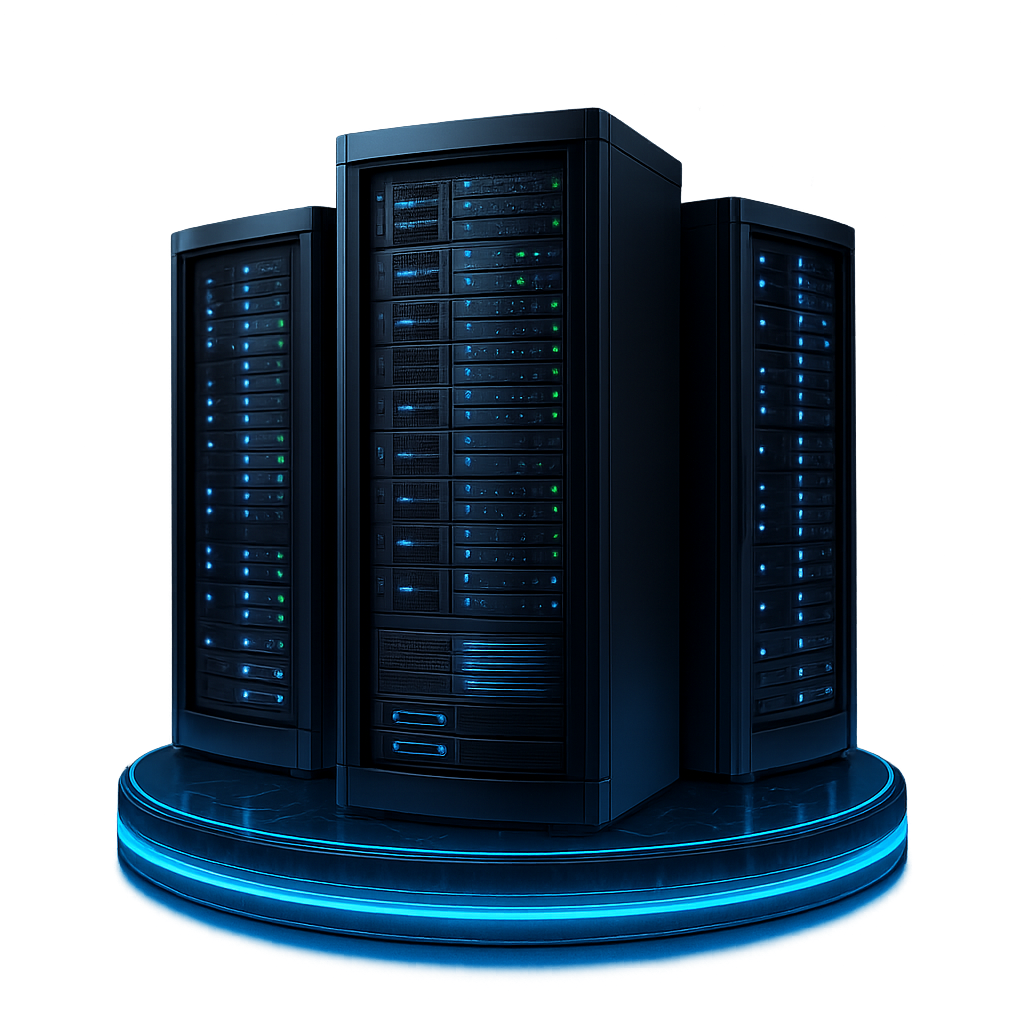
Joomla performs best with high single-core clock speed and sufficient RAM to cache extension output and handle concurrent database queries efficiently.
Prices do not include VAT. VAT will be calculated at checkout based on your location.
Each plan delivers fully dedicated hardware, ultra-low latency, and 24/7 uptime to support your critical business operations.





| Plan | CPU | RAM | Storage | Bandwidth | Price | Compare | |
|---|---|---|---|---|---|---|---|
|
|
8c/16t
base 2.4GHz/max 3.2GHz |
up to 768GB DDR4
|
up to 4 x HDD / SSD SATA
|
From 100 Mbit
to 100 Gbps |
From
$
79
/mo
Billed every month. Cancel anytime.
|
||
|
|
10c/20t
base 2.2GHz/max 3.1GHz |
up to 1.5TB DDR4
|
up to 4 x HDD / SSD SATA
|
From 100 Mbit
to 100 Gbps |
From
$
89
/mo
Billed every month. Cancel anytime.
|
||
|
|
12c/24t
base 2.2GHz/max 2.9GHz |
up to 1.5TB DDR4
|
up to 4 x HDD / SSD SATA
|
From 100 Mbit
to 20 Gbps |
From
$
89
/mo
Billed every month. Cancel anytime.
|
||
|
|
6c/12t
base 4.0GHz/max 4.9GHz |
up to 128GB DDR4
|
up to 2 x SSD SATA
|
From 100 Mbit
to 100 Gbps |
From
$
109
/mo
Billed every month. Cancel anytime.
|
||
|
|
6c/12t
base 4.0GHz/max 4.9GHz |
up to 128GB DDR4
|
up to 2 x SSD SATA
|
From 100 Mbit
to 100 Gbps |
From
$
109
/mo
Billed every month. Cancel anytime.
|
||
|
|
6c/12t
base 4.0GHz/max 4.9GHz |
up to 128GB DDR4
|
up to 2 x SSD SATA
|
From 100 Mbit
to 100 Gbps |
From
$
109
/mo
Billed every month. Cancel anytime.
|
||
|
|
6c/12t
base 4.0GHz/max 4.9GHz |
up to 128GB DDR4
|
up to 2 x SSD SATA
|
From 100 Mbit
to 100 Gbps |
From
$
109
/mo
Billed every month. Cancel anytime.
|
||
|
|
6c/12t
base 4.0GHz/max 4.9GHz |
up to 128GB DDR4
|
up to 2 x SSD SATA
|
From 100 Mbit
to 20 Gbps |
From
$
109
/mo
Billed every month. Cancel anytime.
|
||
|
|
16c/32t
base 2.4GHz/max 3.2GHz |
up to 768GB DDR4
|
up to 4 x HDD / SSD SATA
|
From 100 Mbit
to 100 Gbps |
From
$
129
/mo
Billed every month. Cancel anytime.
|
||
|
|
16c/32t
base 2.4GHz/max 3.2GHz |
up to 768GB DDR4
|
up to 4 x HDD / SSD SATA
|
From 100 Mbit
to 100 Gbps |
From
$
129
/mo
Billed every month. Cancel anytime.
|
||
|
|
16c/32t
base 2.4GHz/max 3.2GHz |
up to 768GB DDR4
|
up to 4 x HDD / SSD SATA
|
From 100 Mbit
to 100 Gbps |
From
$
129
/mo
Billed every month. Cancel anytime.
|
||
|
|
16c/32t
base 2.4GHz/max 3.2GHz |
up to 768GB DDR4
|
up to 4 x HDD / SSD SATA
|
From 100 Mbit
to 100 Gbps |
From
$
129
/mo
Billed every month. Cancel anytime.
|
||
|
|
16c/32t
base 2.4GHz/max 3.2GHz |
up to 768GB DDR4
|
up to 4 x HDD / SSD SATA
|
From 100 Mbit
to 20 Gbps |
From
$
129
/mo
Billed every month. Cancel anytime.
|
||
|
|
16c/32t
base 2.6GHz/max 3.6GHz |
up to 1.5TB DDR4
|
up to 12 x HDD / SSD SATA
|
From 100 Mbit
to 100 Gbps |
From
$
139
/mo
Billed every month. Cancel anytime.
|
||
|
|
16c/32t
base 2.6GHz/max 3.6GHz |
up to 1.5TB DDR4
|
up to 8 x SSD SATA
|
From 100 Mbit
to 20 Gbps |
From
$
139
/mo
Billed every month. Cancel anytime.
|
||
|
|
16c/32t - 2.6Ghz/3.6Ghz
|
up to 1.5 TB DDR4
|
up to 8 x SSD SATA
|
From 100 Mbit
to 100 Gbps |
From
$
139
/mo
Billed every month. Cancel anytime.
|
||
|
|
16c/32t
base 2.6GHz/max 3.6GHz |
up to 1.5TB DDR4
|
up to 8 x SSD SATA
|
From 100 Mbit
to 100 Gbps |
From
$
139
/mo
Billed every month. Cancel anytime.
|
||
|
|
16c/32t
base 2.6GHz/max 3.6GHz |
up to 1.5TB DDR4
|
up to 8 x SSD SATA
|
From 100 Mbit
to 100 Gbps |
From
$
139
/mo
Billed every month. Cancel anytime.
|
||
|
|
6c/12t
base 4.0GHz/max 4.9GHz |
up to 128GB DDR4
|
up to 2 x SSD SATA
|
From 100 Mbit
to 10 Gbps |
From
$
145
/mo
Billed every month. Cancel anytime.
|
||
|
|
24c/48t
base 2.2GHz/max 3.2GHz |
up to 512GB DDR4
|
up to 6 x SSD SATA / NVMe
|
From 100 Mbit
to 20 Gbps |
From
$
149
/mo
Billed every month. Cancel anytime.
|
||
|
|
24c/48t
base 2.2GHz/max 3.2GHz |
up to 1TB DDR4
|
up to 6 x SSD SATA / NVMe
|
From 100 Mbit
to 100 Gbps |
From
$
159
/mo
Billed every month. Cancel anytime.
|
||
|
|
24c/48t
base 2.2GHz/max 3.2GHz |
up to 1TB DDR4
|
up to 6 x SSD SATA / NVMe
|
From 100 Mbit
to 100 Gbps |
From
$
159
/mo
Billed every month. Cancel anytime.
|
||
|
|
24c/48t
base 2.2GHz/max 3.2GHz |
up to 1TB DDR4
|
up to 6 x SSD SATA / NVMe
|
From 100 Mbit
to 100 Gbps |
From
$
159
/mo
Billed every month. Cancel anytime.
|
||
|
|
16c/32t
base 2.4GHz/max 3.2GHz |
up to 768GB DDR4
|
up to 4 x HDD / SSD SATA
|
From 100 Mbit
to 100 Gbps |
From
$
159
/mo
Billed every month. Cancel anytime.
|
||
|
|
22c/44t
base 2.1GHz/max 3.7GHz |
up to 768GB DDR4
|
up to 8 x SSD SATA / NVMe
|
From 100 Mbit
to 100 Gbps |
From
$
169
/mo
Billed every month. Cancel anytime.
|
||
|
|
6c/12t
base 4.0GHz/max 4.9GHz |
up to 128GB DDR4
|
up to 2 x SSD SATA
|
From 100 Mbit
to 100 Gbps |
From
$
169
/mo
Billed every month. Cancel anytime.
|
||
|
|
24c/48t
base 2.2GHz/max 3.2GHz |
up to 1TB DDR4
|
up to 6 x SSD SATA / NVMe
|
From 100 Mbit
to 100 Gbps |
From
$
179
/mo
Billed every month. Cancel anytime.
|
||
|
|
24c/48t
base 2.2GHz/max 3.2GHz |
up to 512GB DDR4
|
up to 6 x SSD SATA / NVMe
|
From 100 Mbit
to 20 Gbps |
From
$
179
/mo
Billed every month. Cancel anytime.
|
||
|
|
28c/56t
base 2.4GHz/max 3.3GHz |
up to 1.5TB DDR4
|
up to 8 x SSD SATA / NVMe
|
From 100 Mbit
to 100 Gbps |
From
$
189
/mo
Billed every month. Cancel anytime.
|
||
|
|
28c/56t
base 2.4GHz/max 3.3GHz |
up to 1.5TB DDR4
|
up to 8 x SSD SATA / NVMe
|
From 100 Mbit
to 100 Gbps |
From
$
189
/mo
Billed every month. Cancel anytime.
|
||
|
|
28c/56t
base 2.4GHz/max 3.3GHz |
up to 1.5TB DDR4
|
up to 8 x SSD SATA / NVMe
|
From 100 Mbit
to 100 Gbps |
From
$
189
/mo
Billed every month. Cancel anytime.
|
||
|
|
28c/56t
base 2.4GHz/max 3.3GHz |
up to 1.5TB DDR4
|
up to 8 x SSD SATA / NVMe
|
From 100 Mbit
to 100 Gbps |
From
$
189
/mo
Billed every month. Cancel anytime.
|
||
|
|
24c/48t
base 2.2GHz/max 3.2GHz |
up to 1TB DDR4
|
up to 6 x SSD SATA / NVMe
|
From 100 Mbit
to 100 Gbps |
From
$
199
/mo
Billed every month. Cancel anytime.
|
||
|
|
28c/56t
base 2.4GHz/max 3.3GHz |
up to 1.5TB DDR4
|
up to 8 x SSD SATA / NVMe
|
From 100 Mbit
to 20 Gbps |
From
$
199
/mo
Billed every month. Cancel anytime.
|
||
|
|
28c/56t
base 2.4GHz/max 3.3GHz |
up to 1.5TB DDR4
|
up to 8 x SSD SATA / NVMe
|
From 100 Mbit
to 100 Gbps |
From
$
219
/mo
Billed every month. Cancel anytime.
|
||
|
|
32c/64t
base 2.6GHz/max 3.6GHz |
up to 1.5TB DDR4
|
up to 8 x SSD SATA
|
From 100 Mbit
to 20 Gbps |
From
$
239
/mo
Billed every month. Cancel anytime.
|
||
|
|
32c/64t
base 2.6GHz/max 3.6GHz |
up to 1.5TB DDR4
|
up to 8 x SSD SATA
|
From 100 Mbit
to 100 Gbps |
From
$
250
/mo
Billed every month. Cancel anytime.
|
||
|
|
32c/64t
base 2.6GHz/max 3.6GHz |
up to 1.5TB DDR4
|
up to 8 x SSD SATA
|
From 100 Mbit
to 100 Gbps |
From
$
250
/mo
Billed every month. Cancel anytime.
|
||
|
|
32c/64t
base 2.6GHz/max 3.6GHz |
up to 1.5TB DDR4
|
up to 8 x SSD SATA
|
From 100 Mbit
to 100 Gbps |
From
$
250
/mo
Billed every month. Cancel anytime.
|
||
|
|
32c/64t
base 2.6GHz/max 3.6GHz |
up to 1.5TB DDR4
|
up to 8 x SSD SATA
|
From 100 Mbit
to 100 Gbps |
From
$
250
/mo
Billed every month. Cancel anytime.
|
||
|
|
32c/64t
base 2.6GHz/max 3.6GHz |
up to 1.5TB DDR4
|
up to 8 x SSD SATA
|
From 100 Mbit
to 100 Gbps |
From
$
259
/mo
Billed every month. Cancel anytime.
|
||
|
|
32c/64t
base 2.1GHz/max 3.0GHz |
up to 768GB DDR4
|
up to 16 x HDD / SSD SATA + 2 x SSD SATA
|
From 100 Mbit
to 20 Gbps |
From
$
279
/mo
Billed every month. Cancel anytime.
|
||
|
|
32c/64t
base 2.1GHz/max 3.0GHz |
up to 768GB DDR4
|
up to 16 x HDD / SSD SATA + 2 x SSD SATA
|
From 100 Mbit
to 100 Gbps |
From
$
279
/mo
Billed every month. Cancel anytime.
|
||
|
|
52c/104t
base 2.1GHz/max 4.0GHz |
up to 1TB DDR4
|
up to 8 x SSD SATA / NVMe
|
From 100 Mbit
to 100 Gbps |
From
$
290
/mo
Billed every month. Cancel anytime.
|
||
|
|
52c/104t
base 2.1GHz/max 4.0GHz |
up to 1TB DDR4
|
up to 8 x SSD SATA / NVMe
|
From 100 Mbit
to 100 Gbps |
From
$
290
/mo
Billed every month. Cancel anytime.
|
||
|
|
52c/104t
base 2.1GHz/max 4.0GHz |
up to 1TB DDR4
|
up to 8 x SSD SATA / NVMe
|
From 100 Mbit
to 100 Gbps |
From
$
290
/mo
Billed every month. Cancel anytime.
|
||
|
|
32c/64t
base 2.1GHz/max 3.0GHz |
up to 768GB DDR4
|
up to 16 x HDD / SSD SATA + 2 x SSD SATA
|
From 100 Mbit
to 100 Gbps |
From
$
309
/mo
Billed every month. Cancel anytime.
|
||
|
|
18c/36t
base 3.0GHz/max 3.7GHz |
up to 768GB DDR4
|
up to 12 x HDD / SSD SATA
|
From 100 Mbit
to 2 x 10 Gbps |
From
$
320
/mo
Billed every month. Cancel anytime.
|
||
|
|
32c/64t
base 2.2GHz/max 3.35GHz |
up to 1TB DDR4
|
up to 8 x SSD SATA / NVMe
|
From 100 Mbit
to 100 Gbps |
From
$
359
/mo
Billed every month. Cancel anytime.
|
||
|
|
32c/64t
base 2.2GHz/max 3.35GHz |
up to 1TB DDR4
|
up to 8 x SSD SATA / NVMe
|
From 100 Mbit
to 100 Gbps |
From
$
359
/mo
Billed every month. Cancel anytime.
|
||
|
|
32c/64t
base 2.2GHz/max 3.35GHz |
up to 1TB DDR4
|
up to 8 x SSD SATA / NVMe
|
From 100 Mbit
to 100 Gbps |
From
$
359
/mo
Billed every month. Cancel anytime.
|
||
|
|
32c/64t
base 2.2GHz/max 3.35GHz |
up to 1TB DDR4
|
up to 8 x SSD SATA / NVMe
|
From 100 Mbit
to 100 Gbps |
From
$
359
/mo
Billed every month. Cancel anytime.
|
||
|
|
32c/64t
base 2.2GHz/max 3.35GHz |
up to 1TB DDR4
|
up to 8 x SSD SATA / NVMe
|
From 100 Mbit
to 20 Gbps |
From
$
359
/mo
Billed every month. Cancel anytime.
|
||
|
|
36c/72t
base 3.0GHz/max 3.7GHz |
up to 1.5TB DDR4
|
up to 8 x SSD SATA / NVMe
|
From 100 Mbit
to 100 Gbps |
From
$
369
/mo
Billed every month. Cancel anytime.
|
||
|
|
36c/72t
base 3.0GHz/max 3.7GHz |
up to 1.5TB DDR4
|
up to 8 x SSD SATA / NVMe
|
From 100 Mbit
to 100 Gbps |
From
$
369
/mo
Billed every month. Cancel anytime.
|
||
|
|
36c/72t
base 3.0GHz/max 3.7GHz |
up to 1.5TB DDR4
|
up to 8 x SSD SATA / NVMe
|
From 100 Mbit
to 100 Gbps |
From
$
369
/mo
Billed every month. Cancel anytime.
|
||
|
|
36c/72t
base 3.0GHz/max 3.7GHz |
up to 1.5TB DDR4
|
up to 8 x SSD SATA / NVMe
|
From 100 Mbit
to 100 Gbps |
From
$
369
/mo
Billed every month. Cancel anytime.
|
||
|
|
36c/72t
base 3.0GHz/max 3.7GHz |
up to 1.5TB DDR4
|
up to 8 x SSD SATA / NVMe
|
From 100 Mbit
to 20 Gbps |
From
$
369
/mo
Billed every month. Cancel anytime.
|
||
|
|
64c/128t
base 2.0GHz/max 3.4GHz |
up to 1TB DDR4
|
up to 8 x SSD SATA / NVMe
|
From 100 Mbit
to 100 Gbps |
From
$
390
/mo
Billed every month. Cancel anytime.
|
||
|
|
64c/128t
base 2.0GHz/max 3.4GHz |
up to 1TB DDR4
|
up to 8 x SSD SATA / NVMe
|
From 100 Mbit
to 100 Gbps |
From
$
405
/mo
Billed every month. Cancel anytime.
|
||
|
|
32c/64t
base 2.8GHz/max 3.7GHz |
up to 1TB DDR4
|
up to 8 x SSD SATA / NVMe
|
From 100 Mbit
to 100 Gbps |
From
$
399
/mo
Billed every month. Cancel anytime.
|
||
|
|
32c/64t
base 2.8GHz/max 3.7GHz |
up to 1TB DDR4
|
up to 8 x SSD SATA / NVMe
|
From 100 Mbit
to 100 Gbps |
From
$
399
/mo
Billed every month. Cancel anytime.
|
||
|
|
32c/64t
base 2.8GHz/max 3.7GHz |
up to 1TB DDR4
|
up to 8 x SSD SATA / NVMe
|
From 100 Mbit
to 100 Gbps |
From
$
399
/mo
Billed every month. Cancel anytime.
|
||
|
|
32c/64t
base 2.8GHz/max 3.7GHz |
up to 1TB DDR4
|
up to 8 x SSD SATA / NVMe
|
From 100 Mbit
to 20 Gbps |
From
$
399
/mo
Billed every month. Cancel anytime.
|
||
|
|
32c/64t
base 2.8GHz/max 3.7GHz |
up to 1TB DDR4
|
up to 8 x SSD SATA / NVMe
|
From 100 Mbit
to 100 Gbps |
From
$
409
/mo
Billed every month. Cancel anytime.
|
||
|
|
32c/64t
base 2.2GHz/max 3.35GHz |
up to 1TB DDR4
|
up to 8 x SSD SATA / NVMe
|
From 100 Mbit
to 100 Gbps |
From
$
409
/mo
Billed every month. Cancel anytime.
|
||
|
|
64c/128t
base 2.0GHz/max 3.4GHz |
up to 1TB DDR4
|
up to 8 x SSD SATA / NVMe
|
From 100 Mbit
to 100 Gbps |
From
$
460
/mo
Billed every month. Cancel anytime.
|
||
|
|
64c/128t
base 2.0GHz/max 3.4GHz |
up to 1TB DDR4
|
up to 8 x SSD SATA / NVMe
|
From 100 Mbit
to 100 Gbps |
From
$
469
/mo
Billed every month. Cancel anytime.
|
||
|
|
64c/128t
base 2.0GHz/max 3.4GHz |
up to 1TB DDR4
|
up to 8 x SSD SATA / NVMe
|
From 100 Mbit
to 100 Gbps |
From
$
469
/mo
Billed every month. Cancel anytime.
|
||
|
|
64c/128t
base 2.0GHz/max 3.4GHz |
up to 1TB DDR4
|
up to 8 x SSD SATA / NVMe
|
From 100 Mbit
to 20 Gbps |
From
$
469
/mo
Billed every month. Cancel anytime.
|
||
|
|
48c/96t
base 3.0GHz/max 4.0GHz |
up to 1TB DDR4
|
up to 8 x SSD SATA / NVMe
|
From 100 Mbit
to 100 Gbps |
From
$
489
/mo
Billed every month. Cancel anytime.
|
||
|
|
48c/96t
base 3.0GHz/max 4.0GHz |
up to 1TB DDR4
|
up to 8 x SSD SATA / NVMe
|
From 100 Mbit
to 100 Gbps |
From
$
489
/mo
Billed every month. Cancel anytime.
|
||
|
|
48c/96t
base 3.0GHz/max 4.0GHz |
up to 1TB DDR4
|
up to 8 x SSD SATA / NVMe
|
From 100 Mbit
to 100 Gbps |
From
$
489
/mo
Billed every month. Cancel anytime.
|
||
|
|
48c/96t
base 3.0GHz/max 4.0GHz |
up to 1TB DDR4
|
up to 8 x SSD SATA / NVMe
|
From 100 Mbit
to 100 Gbps |
From
$
489
/mo
Billed every month. Cancel anytime.
|
||
|
|
48c/96t
base 3.0GHz/max 4.0GHz |
up to 1TB DDR4
|
up to 8 x SSD SATA / NVMe
|
From 100 Mbit
to 20 Gbps |
From
$
489
/mo
Billed every month. Cancel anytime.
|
||
|
|
20c/40t
base 2.5GHz/max 3.4GHz |
up to 1TB DDR4
|
up to 8 x SSD SATA
|
From 100 Mbit
to 2 x 10 Gbps |
From
$
459
/mo
Billed every month. Cancel anytime.
|
||
|
|
32c/64t
base 2.8GHz/max 3.7GHz |
up to 1TB DDR4
|
up to 8 x SSD SATA / NVMe
|
From 100 Mbit
to 100 Gbps |
From
$
469
/mo
Billed every month. Cancel anytime.
|
||
|
|
64c/128t
base 2.0GHz/max 3.4GHz |
up to 1TB DDR4
|
up to 8 x SSD SATA / NVMe
|
From 100 Mbit
to 100 Gbps |
From
$
499
/mo
Billed every month. Cancel anytime.
|
||
|
|
32c/64t
base 2.1GHz/max 3.0GHz |
up to 768GB DDR4
|
up to 16 x HDD / SSD SATA + 2 x SSD SATA
|
From 100 Mbit
to 100 Gbps |
From
$
629
/mo
Billed every month. Cancel anytime.
|
||
|
|
32c/64t
base 2.1GHz/max 3.0GHz |
up to 768GB DDR4
|
up to 16 x HDD / SSD SATA + 2 x SSD SATA
|
From 100 Mbit
to 100 Gbps |
From
$
629
/mo
Billed every month. Cancel anytime.
|
||
|
|
32c/64t
base 2.1GHz/max 3.0GHz |
up to 768GB DDR4
|
up to 16 x HDD / SSD SATA + 2 x SSD SATA
|
From 100 Mbit
to 100 Gbps |
From
$
629
/mo
Billed every month. Cancel anytime.
|
||
|
|
32c/64t
base 2.1GHz/max 3.0GHz |
up to 768GB DDR4
|
up to 16 x HDD / SSD SATA + 2 x SSD SATA
|
From 100 Mbit
to 20 Gbps |
From
$
629
/mo
Billed every month. Cancel anytime.
|
||
|
|
64c/128t
base 2.0GHz/max 3.4GHz |
up to 1TB DDR4
|
up to 8 x SSD SATA / NVMe
|
From 100 Mbit
to 100 Gbps |
From
$
702
/mo
Billed every month. Cancel anytime.
|
||
|
|
128c/256t
base 2.3GHz/max 3.1GHz |
up to 3TB DDR5
|
up to 8 x SSD SATA / NVMe
|
From 100 Mbit
to 100 Gbps |
From
$
799
/mo
Billed every month. Cancel anytime.
|
||
|
|
128c/256t
base 2.3GHz/max 3.1GHz |
up to 3TB DDR5
|
up to 8 x SSD SATA / NVMe
|
From 100 Mbit
to 100 Gbps |
From
$
799
/mo
Billed every month. Cancel anytime.
|
||
|
|
128c/256t
base 2.3GHz/max 3.1GHz |
up to 3TB DDR5
|
up to 8 x SSD SATA / NVMe
|
From 100 Mbit
to 100 Gbps |
From
$
799
/mo
Billed every month. Cancel anytime.
|
||
|
|
128c/256t
base 2.3GHz/max 3.1GHz |
up to 3TB DDR4
|
up to 8 x SSD SATA / NVMe
|
From 100 Mbit
to 100 Gbps |
From
$
819
/mo
Billed every month. Cancel anytime.
|
||
|
|
128c/256t
base 2.3GHz/max 3.1GHz |
up to 3TB DDR4
|
up to 8 x SSD SATA / NVMe
|
From 100 Mbit
to 100 Gbps |
From
$
819
/mo
Billed every month. Cancel anytime.
|
||
|
|
128c/256t
base 2.3GHz/max 3.1GHz |
up to 3TB DDR4
|
up to 8 x SSD SATA / NVMe
|
From 100 Mbit
to 100 Gbps |
From
$
819
/mo
Billed every month. Cancel anytime.
|
||
|
|
128c/256t
base 2.3GHz/max 3.1GHz |
up to 3TB DDR5
|
up to 8 x SSD SATA / NVMe
|
From 100 Mbit
to 100 Gbps |
From
$
849
/mo
Billed every month. Cancel anytime.
|
||
|
|
128c/256t
base 2.3GHz/max 3.1GHz |
up to 3TB DDR5
|
up to 8 x SSD SATA / NVMe
|
From 100 Mbit
to 20 Gbps |
From
$
849
/mo
Billed every month. Cancel anytime.
|
||
|
|
128c/256t
base 2.3GHz/max 3.1GHz |
up to 3TB DDR4
|
up to 8 x SSD SATA / NVMe
|
From 100 Mbit
to 100 Gbps |
From
$
899
/mo
Billed every month. Cancel anytime.
|
||
|
|
128c/256t - 2.6Ghz/3.3Ghz
|
up to 3TB DDR4
|
up to 8 x SSD SATA / NVMe
|
From 100 Mbit
to 20 Gbps |
From
$
899
/mo
Billed every month. Cancel anytime.
|
||
|
|
128c/256t
base 2.3GHz/max 3.1GHz |
up to 3TB DDR5
|
up to 8 x SSD SATA / NVMe
|
From 100 Mbit
to 100 Gbps |
From
$
879
/mo
Billed every month. Cancel anytime.
|
||
|
|
128c/256t
base 2.3GHz/max 3.1GHz |
up to 3TB DDR4
|
up to 8 x SSD SATA / NVMe
|
From 100 Mbit
to 100 Gbps |
From
$
919
/mo
Billed every month. Cancel anytime.
|
Prices do not include VAT. VAT will be calculated at checkout based on your location.







Experience unmatched reliability, speed, and power built for the most demanding workloads
Get your server with SSD equipped and be sure that your task will be done as fast as possible.

Each of our 6 locations allows you to become close to your target audience in Europe, America, or Asia.

Dedicated servers provide you with full access to your resources without any limitations except hardware ones. You are an independent unit in the data center.

Our servers are powered by Zen3 EPYC CPUs with exceptional single-core performance.
Joomla shares architectural DNA with WordPress but carries a heavier footprint by design. Its built-in access control system, multi-level user permissions, and modular extension framework generate significantly more database queries and PHP execution cycles per page request than a comparable WordPress installation. For small sites on shared infrastructure, this overhead is manageable. For production environments handling real traffic, concurrent sessions, or complex component stacks, it becomes a bottleneck that shared and virtualized hosting cannot reliably absorb.
A dedicated server removes that ceiling entirely. With bare metal resources allocated exclusively to your Joomla environment, there is no contention for CPU cycles during traffic spikes, no RAM pressure from neighboring tenants, and no I/O queue delays affecting your database response times.
CPU and single-core performance
Joomla's PHP execution model is largely single-threaded per request. This means single-core clock speed matters more than raw core count for typical page generation workloads. A dedicated server with high-frequency AMD EPYC processors delivers the per-core throughput that keeps Joomla's template rendering, plugin execution, and ACL checks fast — even under concurrent load. Multi-core capacity becomes relevant when running background tasks, cron jobs, or search indexing simultaneously with live traffic.
RAM and server-side caching
Joomla responds well to RAM-level caching. Configuring Memcached or Redis as the Joomla caching backend dramatically reduces redundant database queries by storing frequently accessed data — menu structures, module output, access control lists — in memory. A dedicated server gives you full control over memory allocation: you define how much RAM is reserved for the cache layer versus the web server and database processes, without competing with other workloads. For high-traffic Joomla installations, 16 GB of RAM is a practical starting point; component-heavy portals or multi-language sites with large extension stacks benefit from 32 GB or more.
Storage: NVMe for database-intensive workloads
Joomla's relational database structure — categories, content items, user records, access levels, menu assignments — produces frequent read operations on every page load. NVMe SSD storage delivers the IOPS throughput needed to keep MySQL or MariaDB query times low. The difference between NVMe and standard SSD becomes measurable under concurrent database load, particularly for sites running complex component queries or real-time search functionality.
Full stack control
A dedicated Joomla server gives your technical team root access to configure the entire stack: PHP version and OPcache settings, web server tuning (Apache or Nginx), database configuration, and caching daemon parameters. Joomla's compatibility requirements — PHP 8.1 or higher, MySQL 8.0.13 or MariaDB equivalent — can be met precisely, with no constraints imposed by a shared environment. Extension developers and agencies managing multiple Joomla installations also benefit from the ability to maintain separate PHP configurations, isolated databases, and independent backup schedules per project.
Infrastructure designed for scale
BlueServers operates dedicated hardware across multiple locations, allowing you to deploy your Joomla server in the region closest to your primary user base. Low network latency between the server and end users directly improves perceived load time — a factor that matters for SEO rankings and user retention. All dedicated servers include a dedicated IP address, and a 99.9% uptime commitment backed by infrastructure-level redundancy.
5/5 from 26 Users

Choosing a configuration that matched our workload was straightforward. When needs changed, scaling to more cores and memory was simple and did not require reworking infrastructure.

Stable storage performance is critical for our databases. Disk input and output remain predictable under load, keeping queries fast and backups running smoothly.

We run multiple services, queues, and databases on one server. Dedicated resources allow fine tuning without hitting artificial limits or contention problems.

Traffic spikes used to change how the system behaved. With dedicated capacity, response times remain consistent in the evenings and planning feels much more reliable.
Running a growing SaaS app, we used to chase random performance drops every week, jumping between logs, metrics, and alerts without clear answers. After switching to BlueServers, behavior became predictable and infrastructure stopped being a question mark.

As our database grew, we added more memory and storage. The process was smooth and did not interrupt production. Capacity planning feels simpler when upgrades are handled cleanly.

For our mobile commerce platform, we deployed in a closer region and noticed lower latency immediately. Pages load faster, API calls complete quicker, and the whole experience feels more responsive overall.
Physical servers removed noisy neighbor problems completely. CPU and RAM stay consistent during parallel workloads, container builds, and background jobs. Performance is predictable because resources are not shared.

I’ve been using a dedicated server from BlueServers for my ecommerce projects, and the reliability is outstanding. Zero downtime, stable performance, and excellent support when I needed quick configuration help.


Start for free and unlock high-performance infrastructure with instant setup.