


Ready to scale?
Start for free and unlock high-performance infrastructure with instant setup.




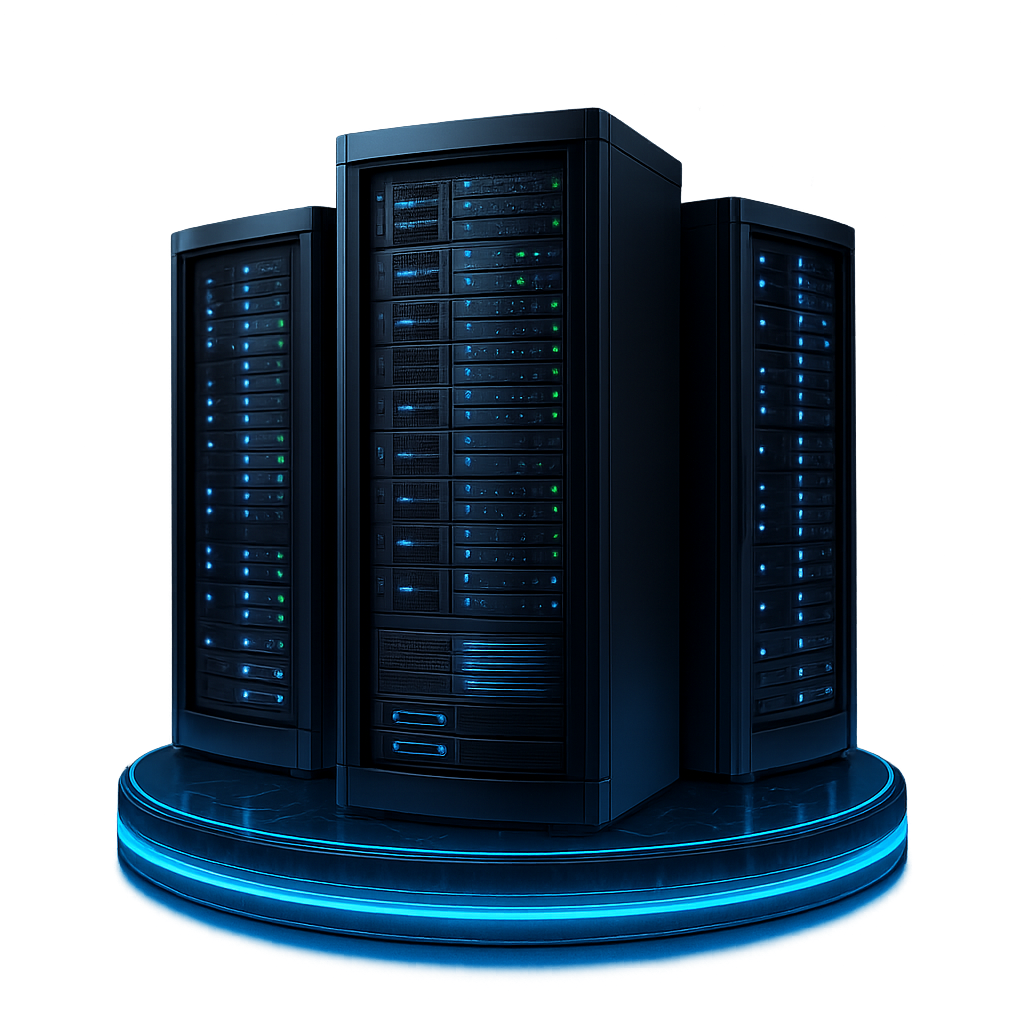
Shopware 6 requires background services to be running (Elasticsearch, Redis, RabbitMQ) — both RAM capacity and NVMe drive speed are important.
Prices do not include VAT. VAT will be calculated at checkout based on your location.
Each plan delivers fully dedicated hardware, ultra-low latency, and 24/7 uptime to support your critical business operations.





| Plan | CPU | RAM | Storage | Bandwidth | Price | Compare | |
|---|---|---|---|---|---|---|---|
|
|
8c/16t
base 2.4GHz/max 3.2GHz |
up to 768GB DDR4
|
up to 4 x HDD / SSD SATA
|
From 100 Mbit
to 100 Gbps |
From
$
79
/mo
Billed every month. Cancel anytime.
|
||
|
|
10c/20t
base 2.2GHz/max 3.1GHz |
up to 1.5TB DDR4
|
up to 4 x HDD / SSD SATA
|
From 100 Mbit
to 100 Gbps |
From
$
89
/mo
Billed every month. Cancel anytime.
|
||
|
|
12c/24t
base 2.2GHz/max 2.9GHz |
up to 1.5TB DDR4
|
up to 4 x HDD / SSD SATA
|
From 100 Mbit
to 20 Gbps |
From
$
89
/mo
Billed every month. Cancel anytime.
|
||
|
|
6c/12t
base 4.0GHz/max 4.9GHz |
up to 128GB DDR4
|
up to 2 x SSD SATA
|
From 100 Mbit
to 100 Gbps |
From
$
109
/mo
Billed every month. Cancel anytime.
|
||
|
|
6c/12t
base 4.0GHz/max 4.9GHz |
up to 128GB DDR4
|
up to 2 x SSD SATA
|
From 100 Mbit
to 100 Gbps |
From
$
109
/mo
Billed every month. Cancel anytime.
|
||
|
|
6c/12t
base 4.0GHz/max 4.9GHz |
up to 128GB DDR4
|
up to 2 x SSD SATA
|
From 100 Mbit
to 100 Gbps |
From
$
109
/mo
Billed every month. Cancel anytime.
|
||
|
|
6c/12t
base 4.0GHz/max 4.9GHz |
up to 128GB DDR4
|
up to 2 x SSD SATA
|
From 100 Mbit
to 100 Gbps |
From
$
109
/mo
Billed every month. Cancel anytime.
|
||
|
|
6c/12t
base 4.0GHz/max 4.9GHz |
up to 128GB DDR4
|
up to 2 x SSD SATA
|
From 100 Mbit
to 20 Gbps |
From
$
109
/mo
Billed every month. Cancel anytime.
|
||
|
|
16c/32t
base 2.4GHz/max 3.2GHz |
up to 768GB DDR4
|
up to 4 x HDD / SSD SATA
|
From 100 Mbit
to 100 Gbps |
From
$
129
/mo
Billed every month. Cancel anytime.
|
||
|
|
16c/32t
base 2.4GHz/max 3.2GHz |
up to 768GB DDR4
|
up to 4 x HDD / SSD SATA
|
From 100 Mbit
to 100 Gbps |
From
$
129
/mo
Billed every month. Cancel anytime.
|
||
|
|
16c/32t
base 2.4GHz/max 3.2GHz |
up to 768GB DDR4
|
up to 4 x HDD / SSD SATA
|
From 100 Mbit
to 100 Gbps |
From
$
129
/mo
Billed every month. Cancel anytime.
|
||
|
|
16c/32t
base 2.4GHz/max 3.2GHz |
up to 768GB DDR4
|
up to 4 x HDD / SSD SATA
|
From 100 Mbit
to 100 Gbps |
From
$
129
/mo
Billed every month. Cancel anytime.
|
||
|
|
16c/32t
base 2.4GHz/max 3.2GHz |
up to 768GB DDR4
|
up to 4 x HDD / SSD SATA
|
From 100 Mbit
to 20 Gbps |
From
$
129
/mo
Billed every month. Cancel anytime.
|
||
|
|
16c/32t
base 2.6GHz/max 3.6GHz |
up to 1.5TB DDR4
|
up to 12 x HDD / SSD SATA
|
From 100 Mbit
to 100 Gbps |
From
$
139
/mo
Billed every month. Cancel anytime.
|
||
|
|
16c/32t
base 2.6GHz/max 3.6GHz |
up to 1.5TB DDR4
|
up to 8 x SSD SATA
|
From 100 Mbit
to 20 Gbps |
From
$
139
/mo
Billed every month. Cancel anytime.
|
||
|
|
16c/32t - 2.6Ghz/3.6Ghz
|
up to 1.5 TB DDR4
|
up to 8 x SSD SATA
|
From 100 Mbit
to 100 Gbps |
From
$
139
/mo
Billed every month. Cancel anytime.
|
||
|
|
16c/32t
base 2.6GHz/max 3.6GHz |
up to 1.5TB DDR4
|
up to 8 x SSD SATA
|
From 100 Mbit
to 100 Gbps |
From
$
139
/mo
Billed every month. Cancel anytime.
|
||
|
|
16c/32t
base 2.6GHz/max 3.6GHz |
up to 1.5TB DDR4
|
up to 8 x SSD SATA
|
From 100 Mbit
to 100 Gbps |
From
$
139
/mo
Billed every month. Cancel anytime.
|
||
|
|
6c/12t
base 4.0GHz/max 4.9GHz |
up to 128GB DDR4
|
up to 2 x SSD SATA
|
From 100 Mbit
to 10 Gbps |
From
$
145
/mo
Billed every month. Cancel anytime.
|
||
|
|
24c/48t
base 2.2GHz/max 3.2GHz |
up to 512GB DDR4
|
up to 6 x SSD SATA / NVMe
|
From 100 Mbit
to 20 Gbps |
From
$
149
/mo
Billed every month. Cancel anytime.
|
||
|
|
24c/48t
base 2.2GHz/max 3.2GHz |
up to 1TB DDR4
|
up to 6 x SSD SATA / NVMe
|
From 100 Mbit
to 100 Gbps |
From
$
159
/mo
Billed every month. Cancel anytime.
|
||
|
|
24c/48t
base 2.2GHz/max 3.2GHz |
up to 1TB DDR4
|
up to 6 x SSD SATA / NVMe
|
From 100 Mbit
to 100 Gbps |
From
$
159
/mo
Billed every month. Cancel anytime.
|
||
|
|
24c/48t
base 2.2GHz/max 3.2GHz |
up to 1TB DDR4
|
up to 6 x SSD SATA / NVMe
|
From 100 Mbit
to 100 Gbps |
From
$
159
/mo
Billed every month. Cancel anytime.
|
||
|
|
16c/32t
base 2.4GHz/max 3.2GHz |
up to 768GB DDR4
|
up to 4 x HDD / SSD SATA
|
From 100 Mbit
to 100 Gbps |
From
$
159
/mo
Billed every month. Cancel anytime.
|
||
|
|
22c/44t
base 2.1GHz/max 3.7GHz |
up to 768GB DDR4
|
up to 8 x SSD SATA / NVMe
|
From 100 Mbit
to 100 Gbps |
From
$
169
/mo
Billed every month. Cancel anytime.
|
||
|
|
6c/12t
base 4.0GHz/max 4.9GHz |
up to 128GB DDR4
|
up to 2 x SSD SATA
|
From 100 Mbit
to 100 Gbps |
From
$
169
/mo
Billed every month. Cancel anytime.
|
||
|
|
24c/48t
base 2.2GHz/max 3.2GHz |
up to 1TB DDR4
|
up to 6 x SSD SATA / NVMe
|
From 100 Mbit
to 100 Gbps |
From
$
179
/mo
Billed every month. Cancel anytime.
|
||
|
|
24c/48t
base 2.2GHz/max 3.2GHz |
up to 512GB DDR4
|
up to 6 x SSD SATA / NVMe
|
From 100 Mbit
to 20 Gbps |
From
$
179
/mo
Billed every month. Cancel anytime.
|
||
|
|
28c/56t
base 2.4GHz/max 3.3GHz |
up to 1.5TB DDR4
|
up to 8 x SSD SATA / NVMe
|
From 100 Mbit
to 100 Gbps |
From
$
189
/mo
Billed every month. Cancel anytime.
|
||
|
|
28c/56t
base 2.4GHz/max 3.3GHz |
up to 1.5TB DDR4
|
up to 8 x SSD SATA / NVMe
|
From 100 Mbit
to 100 Gbps |
From
$
189
/mo
Billed every month. Cancel anytime.
|
||
|
|
28c/56t
base 2.4GHz/max 3.3GHz |
up to 1.5TB DDR4
|
up to 8 x SSD SATA / NVMe
|
From 100 Mbit
to 100 Gbps |
From
$
189
/mo
Billed every month. Cancel anytime.
|
||
|
|
28c/56t
base 2.4GHz/max 3.3GHz |
up to 1.5TB DDR4
|
up to 8 x SSD SATA / NVMe
|
From 100 Mbit
to 100 Gbps |
From
$
189
/mo
Billed every month. Cancel anytime.
|
||
|
|
24c/48t
base 2.2GHz/max 3.2GHz |
up to 1TB DDR4
|
up to 6 x SSD SATA / NVMe
|
From 100 Mbit
to 100 Gbps |
From
$
199
/mo
Billed every month. Cancel anytime.
|
||
|
|
28c/56t
base 2.4GHz/max 3.3GHz |
up to 1.5TB DDR4
|
up to 8 x SSD SATA / NVMe
|
From 100 Mbit
to 20 Gbps |
From
$
199
/mo
Billed every month. Cancel anytime.
|
||
|
|
28c/56t
base 2.4GHz/max 3.3GHz |
up to 1.5TB DDR4
|
up to 8 x SSD SATA / NVMe
|
From 100 Mbit
to 100 Gbps |
From
$
219
/mo
Billed every month. Cancel anytime.
|
||
|
|
32c/64t
base 2.6GHz/max 3.6GHz |
up to 1.5TB DDR4
|
up to 8 x SSD SATA
|
From 100 Mbit
to 20 Gbps |
From
$
239
/mo
Billed every month. Cancel anytime.
|
||
|
|
32c/64t
base 2.6GHz/max 3.6GHz |
up to 1.5TB DDR4
|
up to 8 x SSD SATA
|
From 100 Mbit
to 100 Gbps |
From
$
250
/mo
Billed every month. Cancel anytime.
|
||
|
|
32c/64t
base 2.6GHz/max 3.6GHz |
up to 1.5TB DDR4
|
up to 8 x SSD SATA
|
From 100 Mbit
to 100 Gbps |
From
$
250
/mo
Billed every month. Cancel anytime.
|
||
|
|
32c/64t
base 2.6GHz/max 3.6GHz |
up to 1.5TB DDR4
|
up to 8 x SSD SATA
|
From 100 Mbit
to 100 Gbps |
From
$
250
/mo
Billed every month. Cancel anytime.
|
||
|
|
32c/64t
base 2.6GHz/max 3.6GHz |
up to 1.5TB DDR4
|
up to 8 x SSD SATA
|
From 100 Mbit
to 100 Gbps |
From
$
250
/mo
Billed every month. Cancel anytime.
|
||
|
|
32c/64t
base 2.6GHz/max 3.6GHz |
up to 1.5TB DDR4
|
up to 8 x SSD SATA
|
From 100 Mbit
to 100 Gbps |
From
$
259
/mo
Billed every month. Cancel anytime.
|
||
|
|
32c/64t
base 2.1GHz/max 3.0GHz |
up to 768GB DDR4
|
up to 16 x HDD / SSD SATA + 2 x SSD SATA
|
From 100 Mbit
to 20 Gbps |
From
$
279
/mo
Billed every month. Cancel anytime.
|
||
|
|
32c/64t
base 2.1GHz/max 3.0GHz |
up to 768GB DDR4
|
up to 16 x HDD / SSD SATA + 2 x SSD SATA
|
From 100 Mbit
to 100 Gbps |
From
$
279
/mo
Billed every month. Cancel anytime.
|
||
|
|
52c/104t
base 2.1GHz/max 4.0GHz |
up to 1TB DDR4
|
up to 8 x SSD SATA / NVMe
|
From 100 Mbit
to 100 Gbps |
From
$
290
/mo
Billed every month. Cancel anytime.
|
||
|
|
52c/104t
base 2.1GHz/max 4.0GHz |
up to 1TB DDR4
|
up to 8 x SSD SATA / NVMe
|
From 100 Mbit
to 100 Gbps |
From
$
290
/mo
Billed every month. Cancel anytime.
|
||
|
|
52c/104t
base 2.1GHz/max 4.0GHz |
up to 1TB DDR4
|
up to 8 x SSD SATA / NVMe
|
From 100 Mbit
to 100 Gbps |
From
$
290
/mo
Billed every month. Cancel anytime.
|
||
|
|
32c/64t
base 2.1GHz/max 3.0GHz |
up to 768GB DDR4
|
up to 16 x HDD / SSD SATA + 2 x SSD SATA
|
From 100 Mbit
to 100 Gbps |
From
$
309
/mo
Billed every month. Cancel anytime.
|
||
|
|
18c/36t
base 3.0GHz/max 3.7GHz |
up to 768GB DDR4
|
up to 12 x HDD / SSD SATA
|
From 100 Mbit
to 2 x 10 Gbps |
From
$
320
/mo
Billed every month. Cancel anytime.
|
||
|
|
32c/64t
base 2.2GHz/max 3.35GHz |
up to 1TB DDR4
|
up to 8 x SSD SATA / NVMe
|
From 100 Mbit
to 100 Gbps |
From
$
359
/mo
Billed every month. Cancel anytime.
|
||
|
|
32c/64t
base 2.2GHz/max 3.35GHz |
up to 1TB DDR4
|
up to 8 x SSD SATA / NVMe
|
From 100 Mbit
to 100 Gbps |
From
$
359
/mo
Billed every month. Cancel anytime.
|
||
|
|
32c/64t
base 2.2GHz/max 3.35GHz |
up to 1TB DDR4
|
up to 8 x SSD SATA / NVMe
|
From 100 Mbit
to 100 Gbps |
From
$
359
/mo
Billed every month. Cancel anytime.
|
||
|
|
32c/64t
base 2.2GHz/max 3.35GHz |
up to 1TB DDR4
|
up to 8 x SSD SATA / NVMe
|
From 100 Mbit
to 100 Gbps |
From
$
359
/mo
Billed every month. Cancel anytime.
|
||
|
|
32c/64t
base 2.2GHz/max 3.35GHz |
up to 1TB DDR4
|
up to 8 x SSD SATA / NVMe
|
From 100 Mbit
to 20 Gbps |
From
$
359
/mo
Billed every month. Cancel anytime.
|
||
|
|
36c/72t
base 3.0GHz/max 3.7GHz |
up to 1.5TB DDR4
|
up to 8 x SSD SATA / NVMe
|
From 100 Mbit
to 100 Gbps |
From
$
369
/mo
Billed every month. Cancel anytime.
|
||
|
|
36c/72t
base 3.0GHz/max 3.7GHz |
up to 1.5TB DDR4
|
up to 8 x SSD SATA / NVMe
|
From 100 Mbit
to 100 Gbps |
From
$
369
/mo
Billed every month. Cancel anytime.
|
||
|
|
36c/72t
base 3.0GHz/max 3.7GHz |
up to 1.5TB DDR4
|
up to 8 x SSD SATA / NVMe
|
From 100 Mbit
to 100 Gbps |
From
$
369
/mo
Billed every month. Cancel anytime.
|
||
|
|
36c/72t
base 3.0GHz/max 3.7GHz |
up to 1.5TB DDR4
|
up to 8 x SSD SATA / NVMe
|
From 100 Mbit
to 100 Gbps |
From
$
369
/mo
Billed every month. Cancel anytime.
|
||
|
|
36c/72t
base 3.0GHz/max 3.7GHz |
up to 1.5TB DDR4
|
up to 8 x SSD SATA / NVMe
|
From 100 Mbit
to 20 Gbps |
From
$
369
/mo
Billed every month. Cancel anytime.
|
||
|
|
64c/128t
base 2.0GHz/max 3.4GHz |
up to 1TB DDR4
|
up to 8 x SSD SATA / NVMe
|
From 100 Mbit
to 100 Gbps |
From
$
390
/mo
Billed every month. Cancel anytime.
|
||
|
|
64c/128t
base 2.0GHz/max 3.4GHz |
up to 1TB DDR4
|
up to 8 x SSD SATA / NVMe
|
From 100 Mbit
to 100 Gbps |
From
$
405
/mo
Billed every month. Cancel anytime.
|
||
|
|
32c/64t
base 2.8GHz/max 3.7GHz |
up to 1TB DDR4
|
up to 8 x SSD SATA / NVMe
|
From 100 Mbit
to 100 Gbps |
From
$
399
/mo
Billed every month. Cancel anytime.
|
||
|
|
32c/64t
base 2.8GHz/max 3.7GHz |
up to 1TB DDR4
|
up to 8 x SSD SATA / NVMe
|
From 100 Mbit
to 100 Gbps |
From
$
399
/mo
Billed every month. Cancel anytime.
|
||
|
|
32c/64t
base 2.8GHz/max 3.7GHz |
up to 1TB DDR4
|
up to 8 x SSD SATA / NVMe
|
From 100 Mbit
to 100 Gbps |
From
$
399
/mo
Billed every month. Cancel anytime.
|
||
|
|
32c/64t
base 2.8GHz/max 3.7GHz |
up to 1TB DDR4
|
up to 8 x SSD SATA / NVMe
|
From 100 Mbit
to 20 Gbps |
From
$
399
/mo
Billed every month. Cancel anytime.
|
||
|
|
32c/64t
base 2.8GHz/max 3.7GHz |
up to 1TB DDR4
|
up to 8 x SSD SATA / NVMe
|
From 100 Mbit
to 100 Gbps |
From
$
409
/mo
Billed every month. Cancel anytime.
|
||
|
|
32c/64t
base 2.2GHz/max 3.35GHz |
up to 1TB DDR4
|
up to 8 x SSD SATA / NVMe
|
From 100 Mbit
to 100 Gbps |
From
$
409
/mo
Billed every month. Cancel anytime.
|
||
|
|
64c/128t
base 2.0GHz/max 3.4GHz |
up to 1TB DDR4
|
up to 8 x SSD SATA / NVMe
|
From 100 Mbit
to 100 Gbps |
From
$
460
/mo
Billed every month. Cancel anytime.
|
||
|
|
64c/128t
base 2.0GHz/max 3.4GHz |
up to 1TB DDR4
|
up to 8 x SSD SATA / NVMe
|
From 100 Mbit
to 100 Gbps |
From
$
469
/mo
Billed every month. Cancel anytime.
|
||
|
|
64c/128t
base 2.0GHz/max 3.4GHz |
up to 1TB DDR4
|
up to 8 x SSD SATA / NVMe
|
From 100 Mbit
to 100 Gbps |
From
$
469
/mo
Billed every month. Cancel anytime.
|
||
|
|
64c/128t
base 2.0GHz/max 3.4GHz |
up to 1TB DDR4
|
up to 8 x SSD SATA / NVMe
|
From 100 Mbit
to 20 Gbps |
From
$
469
/mo
Billed every month. Cancel anytime.
|
||
|
|
48c/96t
base 3.0GHz/max 4.0GHz |
up to 1TB DDR4
|
up to 8 x SSD SATA / NVMe
|
From 100 Mbit
to 100 Gbps |
From
$
489
/mo
Billed every month. Cancel anytime.
|
||
|
|
48c/96t
base 3.0GHz/max 4.0GHz |
up to 1TB DDR4
|
up to 8 x SSD SATA / NVMe
|
From 100 Mbit
to 100 Gbps |
From
$
489
/mo
Billed every month. Cancel anytime.
|
||
|
|
48c/96t
base 3.0GHz/max 4.0GHz |
up to 1TB DDR4
|
up to 8 x SSD SATA / NVMe
|
From 100 Mbit
to 100 Gbps |
From
$
489
/mo
Billed every month. Cancel anytime.
|
||
|
|
48c/96t
base 3.0GHz/max 4.0GHz |
up to 1TB DDR4
|
up to 8 x SSD SATA / NVMe
|
From 100 Mbit
to 100 Gbps |
From
$
489
/mo
Billed every month. Cancel anytime.
|
||
|
|
48c/96t
base 3.0GHz/max 4.0GHz |
up to 1TB DDR4
|
up to 8 x SSD SATA / NVMe
|
From 100 Mbit
to 20 Gbps |
From
$
489
/mo
Billed every month. Cancel anytime.
|
||
|
|
20c/40t
base 2.5GHz/max 3.4GHz |
up to 1TB DDR4
|
up to 8 x SSD SATA
|
From 100 Mbit
to 2 x 10 Gbps |
From
$
459
/mo
Billed every month. Cancel anytime.
|
||
|
|
32c/64t
base 2.8GHz/max 3.7GHz |
up to 1TB DDR4
|
up to 8 x SSD SATA / NVMe
|
From 100 Mbit
to 100 Gbps |
From
$
469
/mo
Billed every month. Cancel anytime.
|
||
|
|
64c/128t
base 2.0GHz/max 3.4GHz |
up to 1TB DDR4
|
up to 8 x SSD SATA / NVMe
|
From 100 Mbit
to 100 Gbps |
From
$
499
/mo
Billed every month. Cancel anytime.
|
||
|
|
32c/64t
base 2.1GHz/max 3.0GHz |
up to 768GB DDR4
|
up to 16 x HDD / SSD SATA + 2 x SSD SATA
|
From 100 Mbit
to 100 Gbps |
From
$
629
/mo
Billed every month. Cancel anytime.
|
||
|
|
32c/64t
base 2.1GHz/max 3.0GHz |
up to 768GB DDR4
|
up to 16 x HDD / SSD SATA + 2 x SSD SATA
|
From 100 Mbit
to 100 Gbps |
From
$
629
/mo
Billed every month. Cancel anytime.
|
||
|
|
32c/64t
base 2.1GHz/max 3.0GHz |
up to 768GB DDR4
|
up to 16 x HDD / SSD SATA + 2 x SSD SATA
|
From 100 Mbit
to 100 Gbps |
From
$
629
/mo
Billed every month. Cancel anytime.
|
||
|
|
32c/64t
base 2.1GHz/max 3.0GHz |
up to 768GB DDR4
|
up to 16 x HDD / SSD SATA + 2 x SSD SATA
|
From 100 Mbit
to 20 Gbps |
From
$
629
/mo
Billed every month. Cancel anytime.
|
||
|
|
64c/128t
base 2.0GHz/max 3.4GHz |
up to 1TB DDR4
|
up to 8 x SSD SATA / NVMe
|
From 100 Mbit
to 100 Gbps |
From
$
702
/mo
Billed every month. Cancel anytime.
|
||
|
|
128c/256t
base 2.3GHz/max 3.1GHz |
up to 3TB DDR5
|
up to 8 x SSD SATA / NVMe
|
From 100 Mbit
to 100 Gbps |
From
$
799
/mo
Billed every month. Cancel anytime.
|
||
|
|
128c/256t
base 2.3GHz/max 3.1GHz |
up to 3TB DDR5
|
up to 8 x SSD SATA / NVMe
|
From 100 Mbit
to 100 Gbps |
From
$
799
/mo
Billed every month. Cancel anytime.
|
||
|
|
128c/256t
base 2.3GHz/max 3.1GHz |
up to 3TB DDR5
|
up to 8 x SSD SATA / NVMe
|
From 100 Mbit
to 100 Gbps |
From
$
799
/mo
Billed every month. Cancel anytime.
|
||
|
|
128c/256t
base 2.3GHz/max 3.1GHz |
up to 3TB DDR4
|
up to 8 x SSD SATA / NVMe
|
From 100 Mbit
to 100 Gbps |
From
$
819
/mo
Billed every month. Cancel anytime.
|
||
|
|
128c/256t
base 2.3GHz/max 3.1GHz |
up to 3TB DDR4
|
up to 8 x SSD SATA / NVMe
|
From 100 Mbit
to 100 Gbps |
From
$
819
/mo
Billed every month. Cancel anytime.
|
||
|
|
128c/256t
base 2.3GHz/max 3.1GHz |
up to 3TB DDR4
|
up to 8 x SSD SATA / NVMe
|
From 100 Mbit
to 100 Gbps |
From
$
819
/mo
Billed every month. Cancel anytime.
|
||
|
|
128c/256t
base 2.3GHz/max 3.1GHz |
up to 3TB DDR5
|
up to 8 x SSD SATA / NVMe
|
From 100 Mbit
to 100 Gbps |
From
$
849
/mo
Billed every month. Cancel anytime.
|
||
|
|
128c/256t
base 2.3GHz/max 3.1GHz |
up to 3TB DDR5
|
up to 8 x SSD SATA / NVMe
|
From 100 Mbit
to 20 Gbps |
From
$
849
/mo
Billed every month. Cancel anytime.
|
||
|
|
128c/256t
base 2.3GHz/max 3.1GHz |
up to 3TB DDR4
|
up to 8 x SSD SATA / NVMe
|
From 100 Mbit
to 100 Gbps |
From
$
899
/mo
Billed every month. Cancel anytime.
|
||
|
|
128c/256t - 2.6Ghz/3.3Ghz
|
up to 3TB DDR4
|
up to 8 x SSD SATA / NVMe
|
From 100 Mbit
to 20 Gbps |
From
$
899
/mo
Billed every month. Cancel anytime.
|
||
|
|
128c/256t
base 2.3GHz/max 3.1GHz |
up to 3TB DDR5
|
up to 8 x SSD SATA / NVMe
|
From 100 Mbit
to 100 Gbps |
From
$
879
/mo
Billed every month. Cancel anytime.
|
||
|
|
128c/256t
base 2.3GHz/max 3.1GHz |
up to 3TB DDR4
|
up to 8 x SSD SATA / NVMe
|
From 100 Mbit
to 100 Gbps |
From
$
919
/mo
Billed every month. Cancel anytime.
|
Prices do not include VAT. VAT will be calculated at checkout based on your location.







Experience unmatched reliability, speed, and power built for the most demanding workloads

Get your server with SSD equipped and be sure that your task will be done as fast as possible.

You should do the business and we should take care of your server infrastructure every day and every night. Professional support from the hosting veterans.
Our servers are powered up by leading enterprise hardware manufacturers as Dell, HP, SuperMicro, and Juniper.
Our server uptime is 99,9% and we are doing our best that it keeps being that way and even higher. Most of our infrastructure stays online for years!
Shopware 6 is a full-stack ecommerce application built on the Symfony PHP framework — not a plugin, not a lightweight storefront engine. Its architecture is defined by three concurrently running services: Elasticsearch (or OpenSearch) as the core search and filtering engine, Redis for session management and object caching, and RabbitMQ as the asynchronous message broker. Unlike WooCommerce or PrestaShop, which process most operations synchronously within a single request lifecycle, Shopware distributes workload across independent services that must all remain responsive at the same time. This is what makes infrastructure selection critical.
Shopware's message queue sets it apart from most ecommerce platforms. Background workers run continuously, processing order confirmations, stock updates, scheduled imports, Flow Builder automations, and plugin-triggered jobs — all outside the storefront request cycle but competing for the same CPU and RAM. On shared hosting or undersized VPS environments, these workers slow down or queue up, causing delayed order processing and degraded storefront performance simultaneously. A dedicated server gives each layer — storefront, workers, search index — its own uncontested resource allocation.
Shopware's Symfony foundation introduces a more demanding PHP bootstrap sequence than plugin-based platforms. Every storefront request resolves the dependency injection container, compiles the Twig rendering pipeline, and processes Shopware's sales channel and plugin layer before output is generated. This sequence is executed per request and cannot be fully bypassed for authenticated or dynamic sessions. High single-core clock speed on AMD EPYC processors keeps this overhead low, reducing TTFB across product listings and checkout flows even during concurrent traffic spikes.
On a Shopware dedicated server, Elasticsearch, Redis, and NVMe storage function as an interconnected system rather than independent components. Elasticsearch maintains the product search and category index — operations that generate sustained read and write I/O during catalog updates or reindexing jobs. NVMe storage ensures these operations complete without queuing, keeping MySQL query execution and index throughput fast in parallel. Redis sits between the application and the database, caching object data and session state with a fixed RAM allocation that is never shared with or evicted by other tenants. The result is stable cache hit rates and consistent response times under concurrent load — conditions that directly determine checkout reliability.
Shopware 6 is built for API-first and headless deployments, with native support for multiple sales channels, storefronts, and PWA configurations running from a single backend instance. Each active channel generates its own request load and worker activity, multiplying the demand on server resources. BlueServers dedicated hardware across European and North American locations allows Shopware merchants to deploy infrastructure in the region where their customers are — particularly relevant for the German and Dutch markets where Shopware holds its strongest position. Every server is provisioned with a dedicated IP, full root access, and a 99.9% uptime commitment.
5/5 from 26 Users

Traffic spikes used to change how the system behaved. With dedicated capacity, response times remain consistent in the evenings and planning feels much more reliable.
Running a growing SaaS app, we used to chase random performance drops every week, jumping between logs, metrics, and alerts without clear answers. After switching to BlueServers, behavior became predictable and infrastructure stopped being a question mark.

As our database grew, we added more memory and storage. The process was smooth and did not interrupt production. Capacity planning feels simpler when upgrades are handled cleanly.
Our API handles high request volume throughout the day. BlueServers keeps throughput stable over long periods and avoids slowdowns during bursts, deployments, and heavy logging activity.

For our mobile commerce platform, we deployed in a closer region and noticed lower latency immediately. Pages load faster, API calls complete quicker, and the whole experience feels more responsive overall.
Physical servers removed noisy neighbor problems completely. CPU and RAM stay consistent during parallel workloads, container builds, and background jobs. Performance is predictable because resources are not shared.

We ran a campaign that tripled traffic overnight. Dedicated capacity kept response times stable, avoided throttling, and handled checkout load cleanly. CPU and memory usage stayed steady the entire time.

I was pleasantly surprised by the server’s speed. Even during peak hours, the 128 GB RAM and NVMe storage kept all processes smooth. Perfect choice for developers working with heavy environments.

I’ve been using a dedicated server from BlueServers for my ecommerce projects, and the reliability is outstanding. Zero downtime, stable performance, and excellent support when I needed quick configuration help.


Start for free and unlock high-performance infrastructure with instant setup.