


Ready to scale?
Start for free and unlock high-performance infrastructure with instant setup.




WordPress and ecommerce power on a single dedicated machine
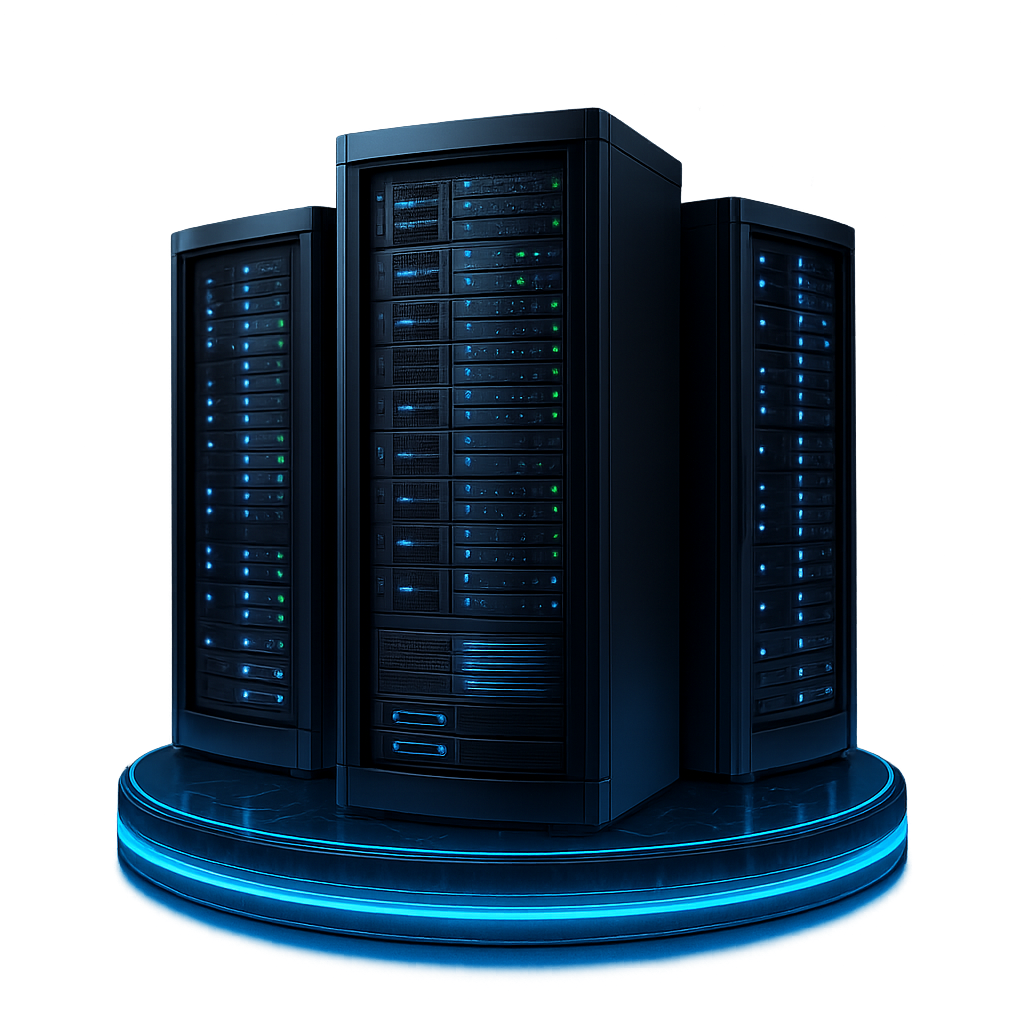
Each plan delivers fully dedicated hardware, ultra-low latency, and 24/7 uptime to support your critical business operations.
Prices do not include VAT. VAT will be calculated at checkout based on your location.
Ghost on Node.js uses up to 10 times fewer resources than a PHP CMS — even the Starter server meets the needs of most media outlets.





| Plan | CPU | RAM | Storage | Bandwidth | Price | Compare | |
|---|---|---|---|---|---|---|---|
|
|
8c/16t
base 2.4GHz/max 3.2GHz |
up to 768GB DDR4
|
up to 4 x HDD / SSD SATA
|
From 100 Mbit
to 100 Gbps |
From
$
79
/mo
Billed every month. Cancel anytime.
|
||
|
|
10c/20t
base 2.2GHz/max 3.1GHz |
up to 1.5TB DDR4
|
up to 4 x HDD / SSD SATA
|
From 100 Mbit
to 100 Gbps |
From
$
89
/mo
Billed every month. Cancel anytime.
|
||
|
|
12c/24t
base 2.2GHz/max 2.9GHz |
up to 1.5TB DDR4
|
up to 4 x HDD / SSD SATA
|
From 100 Mbit
to 20 Gbps |
From
$
89
/mo
Billed every month. Cancel anytime.
|
||
|
|
6c/12t
base 4.0GHz/max 4.9GHz |
up to 128GB DDR4
|
up to 2 x SSD SATA
|
From 100 Mbit
to 100 Gbps |
From
$
109
/mo
Billed every month. Cancel anytime.
|
||
|
|
6c/12t
base 4.0GHz/max 4.9GHz |
up to 128GB DDR4
|
up to 2 x SSD SATA
|
From 100 Mbit
to 100 Gbps |
From
$
109
/mo
Billed every month. Cancel anytime.
|
||
|
|
6c/12t
base 4.0GHz/max 4.9GHz |
up to 128GB DDR4
|
up to 2 x SSD SATA
|
From 100 Mbit
to 100 Gbps |
From
$
109
/mo
Billed every month. Cancel anytime.
|
||
|
|
6c/12t
base 4.0GHz/max 4.9GHz |
up to 128GB DDR4
|
up to 2 x SSD SATA
|
From 100 Mbit
to 100 Gbps |
From
$
109
/mo
Billed every month. Cancel anytime.
|
||
|
|
6c/12t
base 4.0GHz/max 4.9GHz |
up to 128GB DDR4
|
up to 2 x SSD SATA
|
From 100 Mbit
to 20 Gbps |
From
$
109
/mo
Billed every month. Cancel anytime.
|
||
|
|
16c/32t
base 2.4GHz/max 3.2GHz |
up to 768GB DDR4
|
up to 4 x HDD / SSD SATA
|
From 100 Mbit
to 100 Gbps |
From
$
129
/mo
Billed every month. Cancel anytime.
|
||
|
|
16c/32t
base 2.4GHz/max 3.2GHz |
up to 768GB DDR4
|
up to 4 x HDD / SSD SATA
|
From 100 Mbit
to 100 Gbps |
From
$
129
/mo
Billed every month. Cancel anytime.
|
||
|
|
16c/32t
base 2.4GHz/max 3.2GHz |
up to 768GB DDR4
|
up to 4 x HDD / SSD SATA
|
From 100 Mbit
to 100 Gbps |
From
$
129
/mo
Billed every month. Cancel anytime.
|
||
|
|
16c/32t
base 2.4GHz/max 3.2GHz |
up to 768GB DDR4
|
up to 4 x HDD / SSD SATA
|
From 100 Mbit
to 100 Gbps |
From
$
129
/mo
Billed every month. Cancel anytime.
|
||
|
|
16c/32t
base 2.4GHz/max 3.2GHz |
up to 768GB DDR4
|
up to 4 x HDD / SSD SATA
|
From 100 Mbit
to 20 Gbps |
From
$
129
/mo
Billed every month. Cancel anytime.
|
||
|
|
16c/32t
base 2.6GHz/max 3.6GHz |
up to 1.5TB DDR4
|
up to 12 x HDD / SSD SATA
|
From 100 Mbit
to 100 Gbps |
From
$
139
/mo
Billed every month. Cancel anytime.
|
||
|
|
16c/32t
base 2.6GHz/max 3.6GHz |
up to 1.5TB DDR4
|
up to 8 x SSD SATA
|
From 100 Mbit
to 20 Gbps |
From
$
139
/mo
Billed every month. Cancel anytime.
|
||
|
|
16c/32t - 2.6Ghz/3.6Ghz
|
up to 1.5 TB DDR4
|
up to 8 x SSD SATA
|
From 100 Mbit
to 100 Gbps |
From
$
139
/mo
Billed every month. Cancel anytime.
|
||
|
|
16c/32t
base 2.6GHz/max 3.6GHz |
up to 1.5TB DDR4
|
up to 8 x SSD SATA
|
From 100 Mbit
to 100 Gbps |
From
$
139
/mo
Billed every month. Cancel anytime.
|
||
|
|
16c/32t
base 2.6GHz/max 3.6GHz |
up to 1.5TB DDR4
|
up to 8 x SSD SATA
|
From 100 Mbit
to 100 Gbps |
From
$
139
/mo
Billed every month. Cancel anytime.
|
||
|
|
6c/12t
base 4.0GHz/max 4.9GHz |
up to 128GB DDR4
|
up to 2 x SSD SATA
|
From 100 Mbit
to 10 Gbps |
From
$
145
/mo
Billed every month. Cancel anytime.
|
||
|
|
24c/48t
base 2.2GHz/max 3.2GHz |
up to 512GB DDR4
|
up to 6 x SSD SATA / NVMe
|
From 100 Mbit
to 20 Gbps |
From
$
149
/mo
Billed every month. Cancel anytime.
|
||
|
|
24c/48t
base 2.2GHz/max 3.2GHz |
up to 1TB DDR4
|
up to 6 x SSD SATA / NVMe
|
From 100 Mbit
to 100 Gbps |
From
$
159
/mo
Billed every month. Cancel anytime.
|
||
|
|
24c/48t
base 2.2GHz/max 3.2GHz |
up to 1TB DDR4
|
up to 6 x SSD SATA / NVMe
|
From 100 Mbit
to 100 Gbps |
From
$
159
/mo
Billed every month. Cancel anytime.
|
||
|
|
24c/48t
base 2.2GHz/max 3.2GHz |
up to 1TB DDR4
|
up to 6 x SSD SATA / NVMe
|
From 100 Mbit
to 100 Gbps |
From
$
159
/mo
Billed every month. Cancel anytime.
|
||
|
|
16c/32t
base 2.4GHz/max 3.2GHz |
up to 768GB DDR4
|
up to 4 x HDD / SSD SATA
|
From 100 Mbit
to 100 Gbps |
From
$
159
/mo
Billed every month. Cancel anytime.
|
||
|
|
22c/44t
base 2.1GHz/max 3.7GHz |
up to 768GB DDR4
|
up to 8 x SSD SATA / NVMe
|
From 100 Mbit
to 100 Gbps |
From
$
169
/mo
Billed every month. Cancel anytime.
|
||
|
|
6c/12t
base 4.0GHz/max 4.9GHz |
up to 128GB DDR4
|
up to 2 x SSD SATA
|
From 100 Mbit
to 100 Gbps |
From
$
169
/mo
Billed every month. Cancel anytime.
|
||
|
|
24c/48t
base 2.2GHz/max 3.2GHz |
up to 1TB DDR4
|
up to 6 x SSD SATA / NVMe
|
From 100 Mbit
to 100 Gbps |
From
$
179
/mo
Billed every month. Cancel anytime.
|
||
|
|
24c/48t
base 2.2GHz/max 3.2GHz |
up to 512GB DDR4
|
up to 6 x SSD SATA / NVMe
|
From 100 Mbit
to 20 Gbps |
From
$
179
/mo
Billed every month. Cancel anytime.
|
||
|
|
28c/56t
base 2.4GHz/max 3.3GHz |
up to 1.5TB DDR4
|
up to 8 x SSD SATA / NVMe
|
From 100 Mbit
to 100 Gbps |
From
$
189
/mo
Billed every month. Cancel anytime.
|
||
|
|
28c/56t
base 2.4GHz/max 3.3GHz |
up to 1.5TB DDR4
|
up to 8 x SSD SATA / NVMe
|
From 100 Mbit
to 100 Gbps |
From
$
189
/mo
Billed every month. Cancel anytime.
|
||
|
|
28c/56t
base 2.4GHz/max 3.3GHz |
up to 1.5TB DDR4
|
up to 8 x SSD SATA / NVMe
|
From 100 Mbit
to 100 Gbps |
From
$
189
/mo
Billed every month. Cancel anytime.
|
||
|
|
28c/56t
base 2.4GHz/max 3.3GHz |
up to 1.5TB DDR4
|
up to 8 x SSD SATA / NVMe
|
From 100 Mbit
to 100 Gbps |
From
$
189
/mo
Billed every month. Cancel anytime.
|
||
|
|
24c/48t
base 2.2GHz/max 3.2GHz |
up to 1TB DDR4
|
up to 6 x SSD SATA / NVMe
|
From 100 Mbit
to 100 Gbps |
From
$
199
/mo
Billed every month. Cancel anytime.
|
||
|
|
28c/56t
base 2.4GHz/max 3.3GHz |
up to 1.5TB DDR4
|
up to 8 x SSD SATA / NVMe
|
From 100 Mbit
to 20 Gbps |
From
$
199
/mo
Billed every month. Cancel anytime.
|
||
|
|
28c/56t
base 2.4GHz/max 3.3GHz |
up to 1.5TB DDR4
|
up to 8 x SSD SATA / NVMe
|
From 100 Mbit
to 100 Gbps |
From
$
219
/mo
Billed every month. Cancel anytime.
|
||
|
|
32c/64t
base 2.6GHz/max 3.6GHz |
up to 1.5TB DDR4
|
up to 8 x SSD SATA
|
From 100 Mbit
to 20 Gbps |
From
$
239
/mo
Billed every month. Cancel anytime.
|
||
|
|
32c/64t
base 2.6GHz/max 3.6GHz |
up to 1.5TB DDR4
|
up to 8 x SSD SATA
|
From 100 Mbit
to 100 Gbps |
From
$
250
/mo
Billed every month. Cancel anytime.
|
||
|
|
32c/64t
base 2.6GHz/max 3.6GHz |
up to 1.5TB DDR4
|
up to 8 x SSD SATA
|
From 100 Mbit
to 100 Gbps |
From
$
250
/mo
Billed every month. Cancel anytime.
|
||
|
|
32c/64t
base 2.6GHz/max 3.6GHz |
up to 1.5TB DDR4
|
up to 8 x SSD SATA
|
From 100 Mbit
to 100 Gbps |
From
$
250
/mo
Billed every month. Cancel anytime.
|
||
|
|
32c/64t
base 2.6GHz/max 3.6GHz |
up to 1.5TB DDR4
|
up to 8 x SSD SATA
|
From 100 Mbit
to 100 Gbps |
From
$
250
/mo
Billed every month. Cancel anytime.
|
||
|
|
32c/64t
base 2.6GHz/max 3.6GHz |
up to 1.5TB DDR4
|
up to 8 x SSD SATA
|
From 100 Mbit
to 100 Gbps |
From
$
259
/mo
Billed every month. Cancel anytime.
|
||
|
|
32c/64t
base 2.1GHz/max 3.0GHz |
up to 768GB DDR4
|
up to 16 x HDD / SSD SATA + 2 x SSD SATA
|
From 100 Mbit
to 20 Gbps |
From
$
279
/mo
Billed every month. Cancel anytime.
|
||
|
|
32c/64t
base 2.1GHz/max 3.0GHz |
up to 768GB DDR4
|
up to 16 x HDD / SSD SATA + 2 x SSD SATA
|
From 100 Mbit
to 100 Gbps |
From
$
279
/mo
Billed every month. Cancel anytime.
|
||
|
|
52c/104t
base 2.1GHz/max 4.0GHz |
up to 1TB DDR4
|
up to 8 x SSD SATA / NVMe
|
From 100 Mbit
to 100 Gbps |
From
$
290
/mo
Billed every month. Cancel anytime.
|
||
|
|
52c/104t
base 2.1GHz/max 4.0GHz |
up to 1TB DDR4
|
up to 8 x SSD SATA / NVMe
|
From 100 Mbit
to 100 Gbps |
From
$
290
/mo
Billed every month. Cancel anytime.
|
||
|
|
52c/104t
base 2.1GHz/max 4.0GHz |
up to 1TB DDR4
|
up to 8 x SSD SATA / NVMe
|
From 100 Mbit
to 100 Gbps |
From
$
290
/mo
Billed every month. Cancel anytime.
|
||
|
|
32c/64t
base 2.1GHz/max 3.0GHz |
up to 768GB DDR4
|
up to 16 x HDD / SSD SATA + 2 x SSD SATA
|
From 100 Mbit
to 100 Gbps |
From
$
309
/mo
Billed every month. Cancel anytime.
|
||
|
|
18c/36t
base 3.0GHz/max 3.7GHz |
up to 768GB DDR4
|
up to 12 x HDD / SSD SATA
|
From 100 Mbit
to 2 x 10 Gbps |
From
$
320
/mo
Billed every month. Cancel anytime.
|
||
|
|
32c/64t
base 2.2GHz/max 3.35GHz |
up to 1TB DDR4
|
up to 8 x SSD SATA / NVMe
|
From 100 Mbit
to 100 Gbps |
From
$
359
/mo
Billed every month. Cancel anytime.
|
||
|
|
32c/64t
base 2.2GHz/max 3.35GHz |
up to 1TB DDR4
|
up to 8 x SSD SATA / NVMe
|
From 100 Mbit
to 100 Gbps |
From
$
359
/mo
Billed every month. Cancel anytime.
|
||
|
|
32c/64t
base 2.2GHz/max 3.35GHz |
up to 1TB DDR4
|
up to 8 x SSD SATA / NVMe
|
From 100 Mbit
to 100 Gbps |
From
$
359
/mo
Billed every month. Cancel anytime.
|
||
|
|
32c/64t
base 2.2GHz/max 3.35GHz |
up to 1TB DDR4
|
up to 8 x SSD SATA / NVMe
|
From 100 Mbit
to 100 Gbps |
From
$
359
/mo
Billed every month. Cancel anytime.
|
||
|
|
32c/64t
base 2.2GHz/max 3.35GHz |
up to 1TB DDR4
|
up to 8 x SSD SATA / NVMe
|
From 100 Mbit
to 20 Gbps |
From
$
359
/mo
Billed every month. Cancel anytime.
|
||
|
|
36c/72t
base 3.0GHz/max 3.7GHz |
up to 1.5TB DDR4
|
up to 8 x SSD SATA / NVMe
|
From 100 Mbit
to 100 Gbps |
From
$
369
/mo
Billed every month. Cancel anytime.
|
||
|
|
36c/72t
base 3.0GHz/max 3.7GHz |
up to 1.5TB DDR4
|
up to 8 x SSD SATA / NVMe
|
From 100 Mbit
to 100 Gbps |
From
$
369
/mo
Billed every month. Cancel anytime.
|
||
|
|
36c/72t
base 3.0GHz/max 3.7GHz |
up to 1.5TB DDR4
|
up to 8 x SSD SATA / NVMe
|
From 100 Mbit
to 100 Gbps |
From
$
369
/mo
Billed every month. Cancel anytime.
|
||
|
|
36c/72t
base 3.0GHz/max 3.7GHz |
up to 1.5TB DDR4
|
up to 8 x SSD SATA / NVMe
|
From 100 Mbit
to 100 Gbps |
From
$
369
/mo
Billed every month. Cancel anytime.
|
||
|
|
36c/72t
base 3.0GHz/max 3.7GHz |
up to 1.5TB DDR4
|
up to 8 x SSD SATA / NVMe
|
From 100 Mbit
to 20 Gbps |
From
$
369
/mo
Billed every month. Cancel anytime.
|
||
|
|
64c/128t
base 2.0GHz/max 3.4GHz |
up to 1TB DDR4
|
up to 8 x SSD SATA / NVMe
|
From 100 Mbit
to 100 Gbps |
From
$
390
/mo
Billed every month. Cancel anytime.
|
||
|
|
64c/128t
base 2.0GHz/max 3.4GHz |
up to 1TB DDR4
|
up to 8 x SSD SATA / NVMe
|
From 100 Mbit
to 100 Gbps |
From
$
405
/mo
Billed every month. Cancel anytime.
|
||
|
|
32c/64t
base 2.8GHz/max 3.7GHz |
up to 1TB DDR4
|
up to 8 x SSD SATA / NVMe
|
From 100 Mbit
to 100 Gbps |
From
$
399
/mo
Billed every month. Cancel anytime.
|
||
|
|
32c/64t
base 2.8GHz/max 3.7GHz |
up to 1TB DDR4
|
up to 8 x SSD SATA / NVMe
|
From 100 Mbit
to 100 Gbps |
From
$
399
/mo
Billed every month. Cancel anytime.
|
||
|
|
32c/64t
base 2.8GHz/max 3.7GHz |
up to 1TB DDR4
|
up to 8 x SSD SATA / NVMe
|
From 100 Mbit
to 100 Gbps |
From
$
399
/mo
Billed every month. Cancel anytime.
|
||
|
|
32c/64t
base 2.8GHz/max 3.7GHz |
up to 1TB DDR4
|
up to 8 x SSD SATA / NVMe
|
From 100 Mbit
to 20 Gbps |
From
$
399
/mo
Billed every month. Cancel anytime.
|
||
|
|
32c/64t
base 2.8GHz/max 3.7GHz |
up to 1TB DDR4
|
up to 8 x SSD SATA / NVMe
|
From 100 Mbit
to 100 Gbps |
From
$
409
/mo
Billed every month. Cancel anytime.
|
||
|
|
32c/64t
base 2.2GHz/max 3.35GHz |
up to 1TB DDR4
|
up to 8 x SSD SATA / NVMe
|
From 100 Mbit
to 100 Gbps |
From
$
409
/mo
Billed every month. Cancel anytime.
|
||
|
|
64c/128t
base 2.0GHz/max 3.4GHz |
up to 1TB DDR4
|
up to 8 x SSD SATA / NVMe
|
From 100 Mbit
to 100 Gbps |
From
$
460
/mo
Billed every month. Cancel anytime.
|
||
|
|
64c/128t
base 2.0GHz/max 3.4GHz |
up to 1TB DDR4
|
up to 8 x SSD SATA / NVMe
|
From 100 Mbit
to 100 Gbps |
From
$
469
/mo
Billed every month. Cancel anytime.
|
||
|
|
64c/128t
base 2.0GHz/max 3.4GHz |
up to 1TB DDR4
|
up to 8 x SSD SATA / NVMe
|
From 100 Mbit
to 100 Gbps |
From
$
469
/mo
Billed every month. Cancel anytime.
|
||
|
|
64c/128t
base 2.0GHz/max 3.4GHz |
up to 1TB DDR4
|
up to 8 x SSD SATA / NVMe
|
From 100 Mbit
to 20 Gbps |
From
$
469
/mo
Billed every month. Cancel anytime.
|
||
|
|
48c/96t
base 3.0GHz/max 4.0GHz |
up to 1TB DDR4
|
up to 8 x SSD SATA / NVMe
|
From 100 Mbit
to 100 Gbps |
From
$
489
/mo
Billed every month. Cancel anytime.
|
||
|
|
48c/96t
base 3.0GHz/max 4.0GHz |
up to 1TB DDR4
|
up to 8 x SSD SATA / NVMe
|
From 100 Mbit
to 100 Gbps |
From
$
489
/mo
Billed every month. Cancel anytime.
|
||
|
|
48c/96t
base 3.0GHz/max 4.0GHz |
up to 1TB DDR4
|
up to 8 x SSD SATA / NVMe
|
From 100 Mbit
to 100 Gbps |
From
$
489
/mo
Billed every month. Cancel anytime.
|
||
|
|
48c/96t
base 3.0GHz/max 4.0GHz |
up to 1TB DDR4
|
up to 8 x SSD SATA / NVMe
|
From 100 Mbit
to 100 Gbps |
From
$
489
/mo
Billed every month. Cancel anytime.
|
||
|
|
48c/96t
base 3.0GHz/max 4.0GHz |
up to 1TB DDR4
|
up to 8 x SSD SATA / NVMe
|
From 100 Mbit
to 20 Gbps |
From
$
489
/mo
Billed every month. Cancel anytime.
|
||
|
|
20c/40t
base 2.5GHz/max 3.4GHz |
up to 1TB DDR4
|
up to 8 x SSD SATA
|
From 100 Mbit
to 2 x 10 Gbps |
From
$
459
/mo
Billed every month. Cancel anytime.
|
||
|
|
32c/64t
base 2.8GHz/max 3.7GHz |
up to 1TB DDR4
|
up to 8 x SSD SATA / NVMe
|
From 100 Mbit
to 100 Gbps |
From
$
469
/mo
Billed every month. Cancel anytime.
|
||
|
|
64c/128t
base 2.0GHz/max 3.4GHz |
up to 1TB DDR4
|
up to 8 x SSD SATA / NVMe
|
From 100 Mbit
to 100 Gbps |
From
$
499
/mo
Billed every month. Cancel anytime.
|
||
|
|
32c/64t
base 2.1GHz/max 3.0GHz |
up to 768GB DDR4
|
up to 16 x HDD / SSD SATA + 2 x SSD SATA
|
From 100 Mbit
to 100 Gbps |
From
$
629
/mo
Billed every month. Cancel anytime.
|
||
|
|
32c/64t
base 2.1GHz/max 3.0GHz |
up to 768GB DDR4
|
up to 16 x HDD / SSD SATA + 2 x SSD SATA
|
From 100 Mbit
to 100 Gbps |
From
$
629
/mo
Billed every month. Cancel anytime.
|
||
|
|
32c/64t
base 2.1GHz/max 3.0GHz |
up to 768GB DDR4
|
up to 16 x HDD / SSD SATA + 2 x SSD SATA
|
From 100 Mbit
to 100 Gbps |
From
$
629
/mo
Billed every month. Cancel anytime.
|
||
|
|
32c/64t
base 2.1GHz/max 3.0GHz |
up to 768GB DDR4
|
up to 16 x HDD / SSD SATA + 2 x SSD SATA
|
From 100 Mbit
to 20 Gbps |
From
$
629
/mo
Billed every month. Cancel anytime.
|
||
|
|
64c/128t
base 2.0GHz/max 3.4GHz |
up to 1TB DDR4
|
up to 8 x SSD SATA / NVMe
|
From 100 Mbit
to 100 Gbps |
From
$
702
/mo
Billed every month. Cancel anytime.
|
||
|
|
128c/256t
base 2.3GHz/max 3.1GHz |
up to 3TB DDR5
|
up to 8 x SSD SATA / NVMe
|
From 100 Mbit
to 100 Gbps |
From
$
799
/mo
Billed every month. Cancel anytime.
|
||
|
|
128c/256t
base 2.3GHz/max 3.1GHz |
up to 3TB DDR5
|
up to 8 x SSD SATA / NVMe
|
From 100 Mbit
to 100 Gbps |
From
$
799
/mo
Billed every month. Cancel anytime.
|
||
|
|
128c/256t
base 2.3GHz/max 3.1GHz |
up to 3TB DDR5
|
up to 8 x SSD SATA / NVMe
|
From 100 Mbit
to 100 Gbps |
From
$
799
/mo
Billed every month. Cancel anytime.
|
||
|
|
128c/256t
base 2.3GHz/max 3.1GHz |
up to 3TB DDR4
|
up to 8 x SSD SATA / NVMe
|
From 100 Mbit
to 100 Gbps |
From
$
819
/mo
Billed every month. Cancel anytime.
|
||
|
|
128c/256t
base 2.3GHz/max 3.1GHz |
up to 3TB DDR4
|
up to 8 x SSD SATA / NVMe
|
From 100 Mbit
to 100 Gbps |
From
$
819
/mo
Billed every month. Cancel anytime.
|
||
|
|
128c/256t
base 2.3GHz/max 3.1GHz |
up to 3TB DDR4
|
up to 8 x SSD SATA / NVMe
|
From 100 Mbit
to 100 Gbps |
From
$
819
/mo
Billed every month. Cancel anytime.
|
||
|
|
128c/256t
base 2.3GHz/max 3.1GHz |
up to 3TB DDR5
|
up to 8 x SSD SATA / NVMe
|
From 100 Mbit
to 100 Gbps |
From
$
849
/mo
Billed every month. Cancel anytime.
|
||
|
|
128c/256t
base 2.3GHz/max 3.1GHz |
up to 3TB DDR5
|
up to 8 x SSD SATA / NVMe
|
From 100 Mbit
to 20 Gbps |
From
$
849
/mo
Billed every month. Cancel anytime.
|
||
|
|
128c/256t
base 2.3GHz/max 3.1GHz |
up to 3TB DDR4
|
up to 8 x SSD SATA / NVMe
|
From 100 Mbit
to 100 Gbps |
From
$
899
/mo
Billed every month. Cancel anytime.
|
||
|
|
128c/256t - 2.6Ghz/3.3Ghz
|
up to 3TB DDR4
|
up to 8 x SSD SATA / NVMe
|
From 100 Mbit
to 20 Gbps |
From
$
899
/mo
Billed every month. Cancel anytime.
|
||
|
|
128c/256t
base 2.3GHz/max 3.1GHz |
up to 3TB DDR5
|
up to 8 x SSD SATA / NVMe
|
From 100 Mbit
to 100 Gbps |
From
$
879
/mo
Billed every month. Cancel anytime.
|
||
|
|
128c/256t
base 2.3GHz/max 3.1GHz |
up to 3TB DDR4
|
up to 8 x SSD SATA / NVMe
|
From 100 Mbit
to 100 Gbps |
From
$
919
/mo
Billed every month. Cancel anytime.
|
Prices do not include VAT. VAT will be calculated at checkout based on your location.







Experience unmatched reliability, speed, and power built for the most demanding workloads

Get your server with SSD equipped and be sure that your task will be done as fast as possible.

Each of our 6 locations allows you to become close to your target audience in Europe, America, or Asia.

We offer servers with different storage options such as HDD, SSD, or NVMe, including various RAID arrays on demand.

Our servers are powered by Zen3 EPYC CPUs with exceptional single-core performance.
WooCommerce occupies a unique position in the ecommerce hosting landscape because it does not exist in isolation. It is a WordPress plugin — which means every WooCommerce store is simultaneously running a full WordPress installation with its own theme layer, plugin stack, admin interface, and content rendering pipeline, alongside all the ecommerce workload: dynamic pricing, cart sessions, inventory checks, order processing, and payment gateway communication. No other major ecommerce platform carries this dual architecture by default.
The implication for server resources is direct: a WooCommerce server must handle WordPress CMS overhead and ecommerce transaction load at the same time, from the same resource pool. On shared or under-provisioned infrastructure, these two workloads compete. On a dedicated server, they coexist without constraint.
CPU Clock Speed and PHP Execution
WooCommerce's request lifecycle is PHP-heavy and largely single-threaded per request. WordPress loads its core, then the active theme, then each active plugin in sequence — before any WooCommerce-specific logic runs. By the time a product page or checkout flow executes, PHP has already processed significant overhead. High single-core clock speed determines how quickly that overhead resolves and how fast WooCommerce's own pricing calculations, tax rules, shipping rate queries, and session handling complete.
AMD EPYC processors deliver the per-core frequency that keeps TTFB low across both WordPress rendering and WooCommerce transaction processing. This directly affects Core Web Vitals scores — particularly LCP — and the checkout latency that conversion rates depend on. Checkout and cart pages cannot be served from page cache. They require live PHP execution on every request, making raw server performance the decisive variable during high-traffic periods.
Redis and WordPress Object Cache
WooCommerce stores generate substantial database query volume: product data, variation matrices, pricing rules, customer session data, and order records all require repeated database reads across every user session. Redis, configured as a WordPress object cache backend, intercepts these repeated queries and serves them from memory — eliminating the round-trip to MySQL for data that has not changed between requests.
On a dedicated server, Redis has access to allocated RAM without competing with other hosted applications. Object cache hit rates remain high under concurrent traffic because the cache is never evicted by unrelated processes. For WooCommerce stores with large product catalogs or complex pricing configurations, the difference between a populated Redis cache and a cold database hit is measurable in page load time and checkout response speed.
NVMe Storage for Database-Intensive Operations
WooCommerce database operations are frequent and varied. Browsing a filtered product listing generates multiple queries across product, meta, term, and taxonomy tables. Adding items to a cart triggers stock checks and session writes. Checkout initiates order creation, inventory decrements, customer record updates, and payment log entries — all within a single user interaction. NVMe SSD storage keeps MySQL query execution times low across this range of operations, from simple reads to concurrent write sequences during flash sales or promotional events.
Product imports, inventory synchronization with external systems, and order export operations generate additional I/O bursts that benefit from NVMe's throughput headroom over SATA SSD alternatives.
Infrastructure for Growing Stores
BlueServers operates dedicated hardware across multiple locations in Europe and North America, allowing WooCommerce stores to deploy in the region closest to their primary customer base. Lower network latency directly reduces TTFB for users at the storefront — a metric with documented impact on both search rankings and purchase completion rates. All dedicated servers include a dedicated IP address, full root access for complete stack configuration, and a 99.9% uptime commitment backed by redundant infrastructure.
5/5 from 26 Users

Choosing a configuration that matched our workload was straightforward. When needs changed, scaling to more cores and memory was simple and did not require reworking infrastructure.

Busy periods used to make us nervous because timeouts meant angry customers. With BlueServers, connections stay reliable even under heavy traffic, network quality holds up, and support tickets dropped fast!

Stable storage performance is critical for our databases. Disk input and output remain predictable under load, keeping queries fast and backups running smoothly.

When our fintech payments platform has a hiccup, we cannot wait. BlueServers support reads the full thread, asks smart diagnostics questions, and fixes issues fast before transactions are affected.

In our ecommerce shop, flash sales used to be stressful. With BlueServers, checkout stays responsive, inventory sync runs smoothly, and we avoid failed orders when traffic and transactions spike.
Our team runs a SaaS product with CI pipelines and several microservices. BlueServers stability cut emergency fixes dramatically. We ship features instead of restarting services or chasing performance issues.

Traffic spikes used to change how the system behaved. With dedicated capacity, response times remain consistent in the evenings and planning feels much more reliable.
Running a growing SaaS app, we used to chase random performance drops every week, jumping between logs, metrics, and alerts without clear answers. After switching to BlueServers, behavior became predictable and infrastructure stopped being a question mark.

As our database grew, we added more memory and storage. The process was smooth and did not interrupt production. Capacity planning feels simpler when upgrades are handled cleanly.

For our mobile commerce platform, we deployed in a closer region and noticed lower latency immediately. Pages load faster, API calls complete quicker, and the whole experience feels more responsive overall.
We ran a campaign that tripled traffic overnight. Dedicated capacity kept response times stable, avoided throttling, and handled checkout load cleanly. CPU and memory usage stayed steady the entire time.
I was pleasantly surprised by the server’s speed. Even during peak hours, the 128 GB RAM and NVMe storage kept all processes smooth. Perfect choice for developers working with heavy environments.
I’ve been using a dedicated server from BlueServers for my ecommerce projects, and the reliability is outstanding. Zero downtime, stable performance, and excellent support when I needed quick configuration help.


Start for free and unlock high-performance infrastructure with instant setup.